











Should I Choose CW or Pulsed Laser Cleaning? A Practical Guide to Continuous Wave Laser vs Pulse Laser
CW laser cleaning is usually better for large-area rust, thick paint, heavy contamination,…
 15:24
15:24 Choosing the wrong laser cleaner can cost you time, money, and surface quality. CW may clean fast but add more heat. Pulse may protect parts but cost more. The right laser choice depends on your material, contamination, cleaning area, and final surface requirement.
CW laser cleaning is usually better for large-area rust, thick paint, heavy contamination, and fast industrial cleaning. Pulsed laser cleaning is better for precision parts, thin metal, molds, sensitive materials, and applications needing lower heat impact. For most buyers, the best choice comes from testing the real workpiece before ordering.
In laser cleaning, CW means continuous wave. A CW laser sends out a steady laser beam while the machine is working. This continuous laser output gives strong, stable energy to the surface. For cleaning large steel parts, removing heavy rust, or stripping thick paint, CW is often the practical choice.
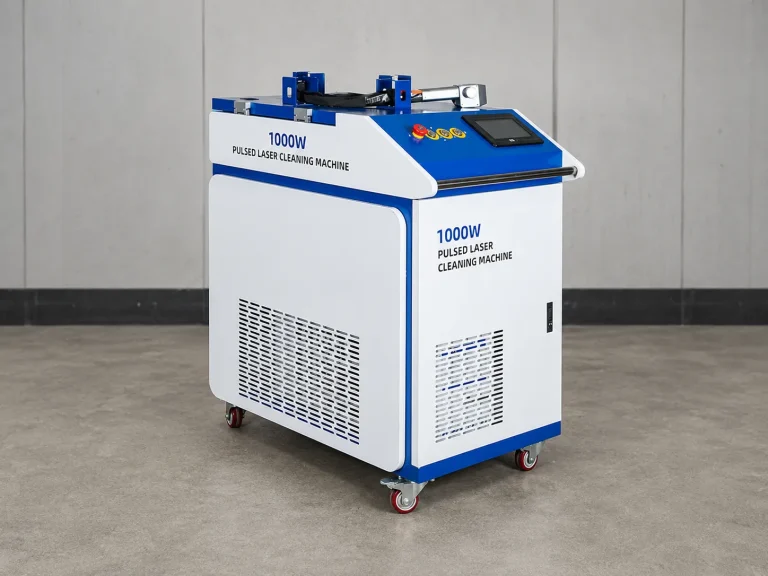
Pulse means the laser energy comes in short bursts. Pulsed lasers do not shine in one constant stream. They release high-energy laser pulses at predetermined intervals. This pulsed laser mode gives the operator more control over heat and surface impact. That is why pulsed lasers are often used for precision cleaning, mold cleaning, thin metal, and cleaning sensitive materials.
A simple way to understand it is this: CW is about speed and power; pulse is about control and protection. Both are useful. Neither is always better. The right laser cleaning machine depends on your real cleaning work.
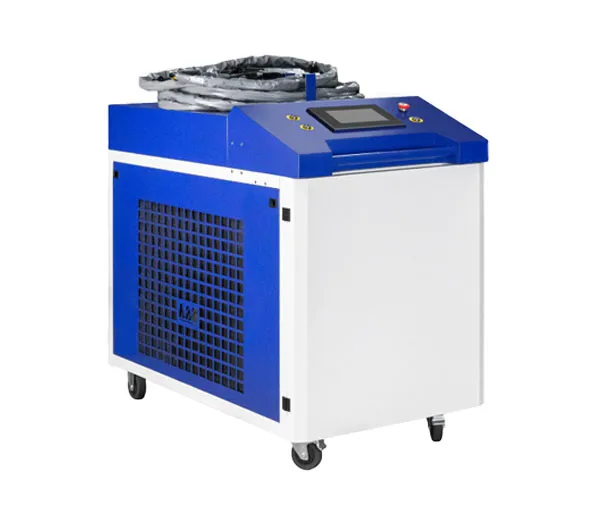
A laser cleaner removes unwanted layers by directing laser energy onto the surface. The rust, paint, oil, oxide, or dirt absorbs the laser. Then the layer heats, cracks, vaporizes, or separates from the base material. This cleaning process can reduce the need for grinding, blasting, or chemical cleaning methods.
CW lasers use a continuous laser beam. The energy stays on the surface as long as the operator keeps cleaning. This creates a strong thermal effect, which is useful for heavy-duty cleaning tasks. A continuous laser cleaning machine can remove rust quickly from thick steel, large frames, ship plates, machinery parts, and welded structures.
Pulsed lasers work in a different way. They deliver concentrated laser pulses at predetermined intervals. Each pulse gives high peak energy for a very short time. Then the surface gets a moment to cool before the next pulse arrives. This makes pulse laser cleaning suitable for controlled cleaning, low heat input, and better protection of the base material.
The biggest difference between pulsed laser and continuous laser cleaning is how the laser energy reaches the surface. CW lasers deliver energy continuously. Pulsed lasers deliver energy in short bursts. This one difference affects cleaning speed, heat impact, cleaning precision, machine price, and suitable applications.
CW lasers are usually used when buyers want fast cleaning speed. They are strong for cleaning large areas, removing thick rust, stripping paint, and preparing steel before coating or laser welding. A CW laser cleaner is common in metal fabrication, ship repair, construction machinery, steel structures, and repair workshops.
Pulsed laser cleaners are often selected when the buyer wants better surface protection. Pulse laser cleaning is common for molds, thin sheets, aluminum parts, precision parts, electronics, and high-value components. It can create a cleaner surface with lower risk of heat marks when the parameters are set correctly.
For heavy rust on thick steel, choose CW in most cases. A high-power CW laser cleaning machine can remove rust fast from large parts. This is useful for steel plates, machine frames, pipelines, bridge parts, containers, construction machinery, and old metal structures.
For thin rust, fine oxide, and sensitive surfaces, choose pulse. Pulsed lasers give cleaner control and lower heat input. If your part is thin, polished, expensive, or easy to deform, pulse laser cleaning is usually safer. A 300W pulsed laser or 500W pulsed laser may clean more slowly than a high-power CW unit, but it can protect the base material better.
For cleaning paint, the answer depends on the paint layer and the substrate. Thick paint on strong steel may suit CW. Paint on aluminum, thin sheet, stone, wood, or delicate parts may need pulse. For oil and grease, both can work, but smoke control is important. Always use fume extraction when cleaning oil, paint, coating, or organic contamination.
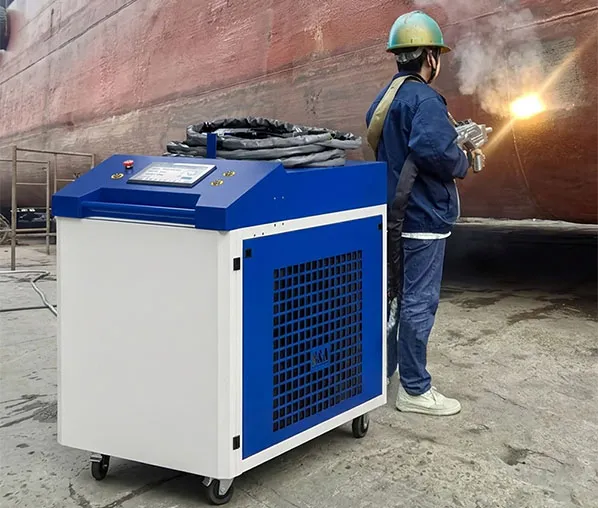
If your main goal is cleaning speed, CW usually wins. CW lasers can deliver strong continuous energy, so they are effective for cleaning large areas. In many factories, this means less labor time, faster surface preparation, and lower cost per square meter.
A continuous laser cleaning machine is useful when the surface can accept heat. For example, a thick steel frame does not need the same care as a precision mold. In this case, fast cleaning speed matters more than ultra-fine surface control. CW machines are often selected for general cleaning, rust removal, old paint stripping, and heavy industrial cleaning.
Pulsed lasers are slower in many large-area applications, but they provide better control. That slower speed is not always a problem. If the workpiece is expensive, delicate, or easy to damage, controlled cleaning may save more money than fast cleaning. A rejected precision part can cost more than a few extra minutes of cleaning.
Quick rule for buyers:
Many buyers ask, “Should I buy CW or pulsed?” The better question is: What do you need to clean, on what material, and how clean should the result be? This is the practical selection method used in real B2B projects.
First, check the application. Are you cleaning large steel structures, mold surfaces, automotive parts, electronic components, or machinery frames? Second, check the substrate. Is it carbon steel, stainless steel, aluminum, copper, plastic, stone, or coated material? Third, check the contaminant. Is it rust, paint, oxide, oil, grease, carbon, dirt, or coating?
Then decide by priority. If the priority is high productivity on large metal parts, CW lasers make sense. If the priority is low thermal effect and clean surface control, pulsed lasers make sense. This application-based method helps buyers avoid choosing only by wattage.
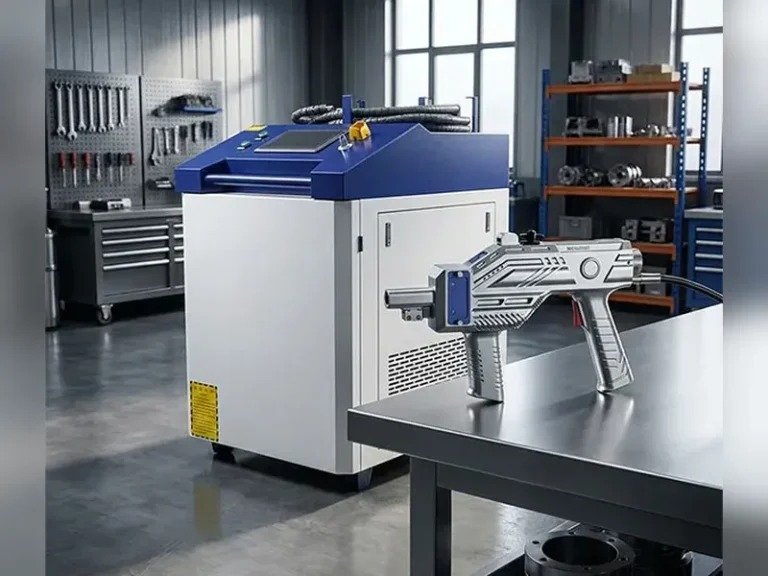
A handheld laser cleaning machine is a strong choice when the part is large, heavy, or difficult to move. The operator can move the laser head across the workpiece. This is useful for steel structures, machinery maintenance, ship repair, rail parts, containers, molds, and field repair.
Handheld equipment can use CW or pulse technology. A handheld CW laser cleaner is better for large-area rust and paint removal. Handheld pulsed lasers are better for controlled cleaning on sensitive parts. The structure may look similar from the outside, but the cleaning action is different.
For many B2B buyers, a handheld system is the easiest first step into laser cleaning technology. It does not require a full production line. Operators can learn the process, test different materials, and build stable cleaning parameters. Later, the buyer can upgrade to an automated laser cleaning system if the cleaning work becomes repetitive.
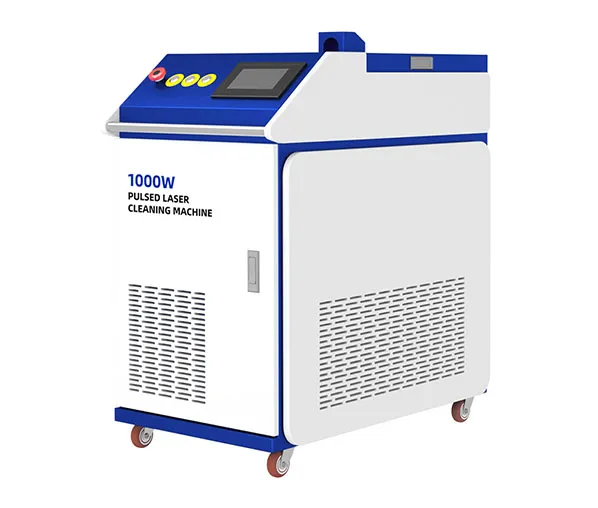
Laser cleaning is often not a stand-alone process. In many factories, it works before or after other steps. For example, a factory may clean rust or oxide before laser welding. A cleaner surface can help improve weld stability and reduce contamination.
Laser cleaning can also support laser marking. If a product surface has oil, dust, or oxide, the marking result may be unclear. Cleaning the surface first can help create a sharper code, logo, or serial number. This matters for traceability in automotive, electronics, tools, and machinery parts.
In a full metal processing line, buyers may use laser cutting, cleaning, welding, and marking together. Jobon Laser provides these machines as part of a wider industrial laser equipment range. For factories and integrators, this makes project communication easier.
Sample testing is the safest way to choose between CW and pulse. Photos and videos are useful, but they do not replace real material testing. Two metal parts may look similar but react differently because of coating, alloy, rust thickness, paint type, or surface condition.
A sample test shows the real cleaning effect. It answers important questions: Does the machine remove rust fully? Does it leave heat marks? Is the cleaning speed acceptable? Does the surface need one pass or several passes? Can the operator control the result easily?
At Jobon Laser, we encourage B2B buyers to send samples, photos, or videos before ordering. This helps us recommend the right laser source, power, cleaning width, cooling system, and machine structure. It also gives buyers more confidence before shipment.
Jobon Laser is a factory-direct supplier specializing in the R&D and manufacturing of industrial laser equipment. We provide laser cleaning, laser welding, laser marking, laser cutting, and customized turnkey laser cleaning solutions for global B2B customers.
Our customers include metal fabrication workshops, sheet metal and hardware factories, automotive parts producers, home appliance and electronics manufacturers, jewelry processors, system integrators, engineering contractors, distributors, and importers. These buyers care about stable machines, clear results, fast delivery, documentation, OEM/ODM support, and after-sales service.
When buyers ask about pulsed vs CW laser cleaning, we focus on the real use case. We check the material, substrate, contaminant, cleaning area, daily workload, surface quality target, and budget. Then we recommend CW, pulse, or a customized solution.
Jobon Laser can support:
Neither is always better. CW is better for large-area rust, thick paint, and fast industrial cleaning. Pulse is better for thin metal, molds, sensitive materials, and precision cleaning. The best choice depends on your material and cleaning target.
The main difference is energy delivery. CW uses continuous wave laser energy. Pulse uses short high-energy bursts. CW gives faster cleaning over large areas. Pulse gives better heat control and cleaning precision.
Choose a 300W pulsed laser if you clean molds, thin materials, or high-value parts. Choose a high-power CW machine if you clean thick rust, large steel structures, or heavy industrial parts where speed matters more.
CW laser cleaning can cause heat marks, discoloration, or surface change if the wrong settings are used. It works well on thick, strong metal, but thin or delicate parts need more care. Sample testing helps reduce risk.
Yes, pulsed lasers can clean paint, especially when the base material needs protection. For thick paint on large steel surfaces, CW may be faster. For delicate surfaces, pulse is often safer.
One laser cleaner can handle many cleaning tasks, but no single machine is perfect for every job. CW and pulse solve different problems. If your work includes both heavy rust and precision parts, you may need testing or more than one configuration.
2026-06
CW laser cleaning is usually better for large-area rust, thick paint, heavy contamination,…
2026-06
A continuous laser cleaning machine uses continuous laser energy for fast cleaning over la…
Nous vous répondrons dans les 24 heures. En cas d'urgence, veuillez ajouter WhatsApp/WeChat : +86 18053185411,.
*Nous respectons votre confidentialité et toutes les informations sont protégées.
Nous n'utiliserons vos informations que pour répondre à votre demande et n'enverrons jamais de messages électroniques ou promotionnels non sollicités.