









1500W vs 2000W vs 3000W vs 6000W Laser Welding Machine: Which Power Do You Need?
Choosing between a 1500W vs 2000W vs 3000W vs 6000W laser welding machine should start wit…
 11:32
11:32 Production teams often struggle to engrave reflective metal, delicate plastic, or small electronic parts with clean results. Marks may burn, blur, or fade. A blue light laser marking machine solves this with higher absorption, fine detail, and stable non-contact marking.
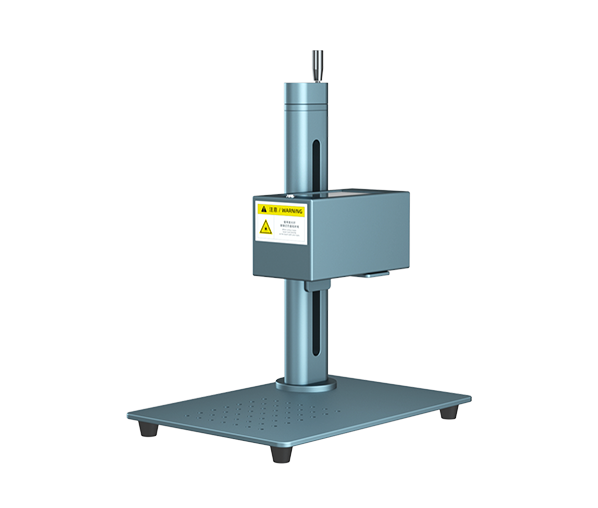
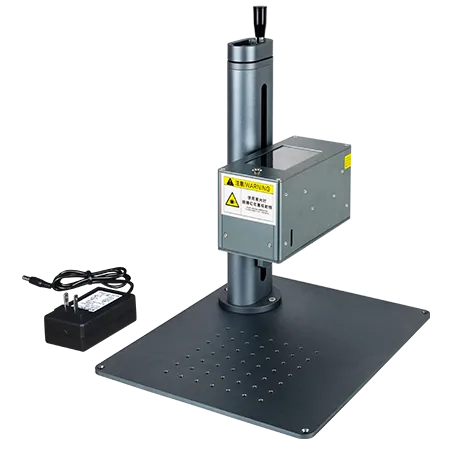
A blue light laser marking machine is a precision laser marking machine that uses a high-energy blue laser beam to permanently engrave or mark materials such as copper, aluminum, plastics, jewelry, electronics, and packaging parts. Compared with traditional infrared laser systems, blue light laser marking can offer better absorption on highly reflective and heat-sensitive materials. Jobon Laser’s blue light model supports 10W/20W power, ±0.003 mm precision, 70×70 mm marking width, and air cooling.
A blue light laser marking machine is a type of laser marking machine that uses a blue laser beam to create permanent marks on the surface of various materials. It can engrave logos, numbers, serial codes, QR codes, patterns, and fine text. Unlike ink printing, the mark does not need consumables and is harder to remove.
In Jobon Laser’s product range, the máquina de marcação a laser de luz azul is designed for fine marking, high absorption, and broad material use. The official product page highlights its use for electronics, jewelry, medical parts, automotive parts, plastics, precision machinery, aerospace, food packaging, and pharmaceutical packaging.
A blue laser engraver uses focused laser light to change the surface of a material. The laser beam is directed through optical parts, usually including a laser source, galvanometer head, field lens, control system, and work platform. The focused laser spot creates heat and energy at a very small area, so the machine can engrave fine shapes with high precision.
A blue laser module has a shorter visible wavelength than many infrared systems. In simple words, some materials absorb blue light better than infrared light. This can help when marking copper, aluminum, and certain heat-sensitive materials. Jobon Laser describes the blue light marking machine as suitable for highly reflective and heat-sensitive materials because of higher absorption and finer marking results.
Many buyers compare blue light laser, infrared laser, IR laser, and fiber laser marking. The simple difference is wavelength and material response. A traditional fiber laser often uses infrared light, which works very well on many metals. But some reflective materials can reject or scatter more infrared energy, making the mark less stable.
A blue laser can be useful when you need better absorption on specific materials. This is why a blue laser module may perform well on copper, aluminum, and fine electronic parts. It can also help reduce unwanted heat impact when the right parameters are used.
A different laser is not always “better.” It depends on the material, marking effect, speed, and production environment. For example, a UV laser is often selected for delicate plastic marking, while a CO2 laser is commonly used for wood engraving or acrylic marking. Jobon Laser’s marking product category includes fiber, UV, CO2, crystal internal engraving, and blue light laser marking solutions, so buyers can select based on application instead of guessing.
A máquina de marcação a laser de luz azul can engrave a wide range of materials, but it performs best when the material absorbs blue light efficiently. Jobon Laser’s product page mentions its use across electronics, jewelry, medical, automotive, plastics, precision machinery, aerospace, food packaging, and pharmaceutical packaging.
Os materiais mais comuns incluem:
For material testing, do not rely only on the keyword “metal glass leather” or broad material lists. Real marking quality depends on surface color, coating, reflectivity, thickness, laser power, laser output, engraving speed, and focal distance.
This is why B2B buyers should send samples before purchasing. A sample test helps confirm whether the machine can engrave the required mark depth, contrast, and cycle time.
Metal engraving is one of the most important use cases. A blue light laser can be helpful for highly reflective metals where standard infrared marking may struggle. Copper and aluminum are common examples. These materials are widely used in electronics, EV parts, jewelry, electrical connectors, and precision components.
For metal engraving, buyers usually care about:
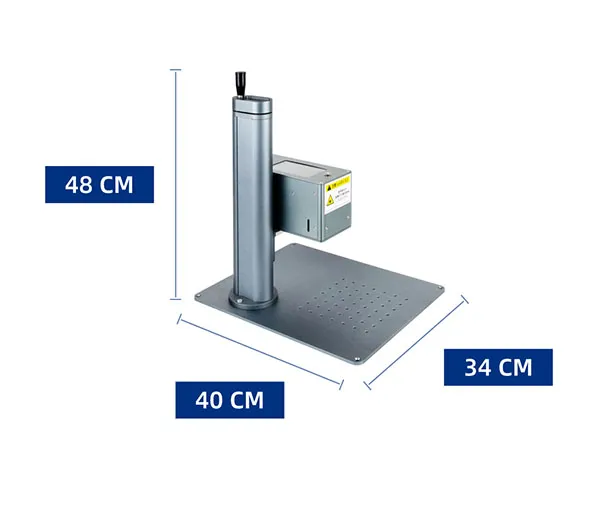
Jobon Laser’s blue light product data lists 10W / 20W laser power, ±0.003 mm precision, 70×70 mm marking width, air cooling, and 110V/220V voltage compatibility. These specifications make it more suitable for fine marking than heavy cutting tasks.
Choosing a laser marking machine is not about buying the strongest laser power. It is about matching the laser technology to the material and production goal.
A fiber laser marking machine is usually a strong choice for metal tools, stainless steel plates, industrial nameplates, bearings, auto parts, and hardware. A UV laser is better for plastic, glass, PCB, and delicate products that need low thermal damage. A CO2 laser is often used for wood, leather, paper, acrylic, and non-metal materials. A máquina de marcação a laser de luz azul is useful for fine marking on reflective metal and selected sensitive surfaces.
Laser safety is not optional. Industrial lasers can be dangerous if used incorrectly. The FDA notes that Class 3B lasers can create immediate skin hazards from direct beams and immediate eye hazards when viewed directly, while Class 4 lasers can create immediate skin and eye hazards from direct or reflected beams and may also present fire hazards.
OSHA also states that laser hazards are addressed in general industry safety standards and highlights standards related to personal protective equipment and eye and face protection.
For buyers, this means you should consider:
Some desktop laser products promote “class 1 safety,” but this depends on enclosure design, interlocks, certification, and proper use. Do not assume a machine is safe only because it is compact. Ask the supplier for documentation, safe operating guidance, and recommended protective equipment.
A reliable manufacturer does more than sell a laser engraver machine. It helps you verify the process before purchase and supports your team after delivery.
Jobon Laser positions itself as a professional laser equipment manufacturer offering laser welding, cleaning, marking, cutting, accessories, and custom machines. Its website shows a laser marking category that includes fiber, UV, CO2, crystal internal engraving, and blue light marking products.
When selecting a supplier, check:
Sample testing ability
Send your real parts and request marking videos, photos, and parameter suggestions.
Product range
A supplier with fiber laser, UV laser, CO2 laser, and blue light laser options can recommend based on need, not just sell one model.
Customization support
Ask about fixtures, rotary devices, enclosure, software, language, voltage, logo, and OEM/ODM options.
Quality inspection
Confirm that the machine is tested before shipment.
Training and after-sales support
Ask how the supplier supports installation, parameter setup, spare parts, and troubleshooting.
Experiência de exportação
For global B2B buyers, packaging, documentation, voltage compatibility, and customs documents matter.
If your parts include copper, aluminum, plastic, acrylic, or high-value precision components, do not buy only by price. A cheap laser engraver may cost more later if the mark is unstable, the software is difficult, or service is slow.
A máquina de marcação a laser de luz azul is used to engrave or mark logos, serial numbers, QR codes, patterns, and product information on materials such as copper, aluminum, plastics, acrylic, jewelry, electronics, and packaging components. It is especially useful when fine detail and stable marking are required.
Not always. A fiber laser is excellent for many metal marking tasks, especially stainless steel, tools, nameplates, and industrial parts. A blue light laser may perform better on certain reflective metals or sensitive materials. The best choice depends on your material and marking result.
Yes. A blue light laser can engrave selected metals, including copper and aluminum, depending on the power, surface condition, and marking parameters. For deep metal engraving or cutting thick metal, other laser systems may be required.
Yes, a beginner can learn basic operation with proper training. However, industrial laser machines still require safety awareness, correct focusing, parameter setup, and protective equipment. A machine for beginners should include clear software, safety guidance, and supplier support.
No. A handheld laser engraver is usually designed for flexible manual marking, while a blue light laser marking machine is usually used for controlled, precise, repeatable marking. For batch production, a fixed desktop or cabinet marking machine is often more stable.
Suitable materials depend on the laser type. Fiber laser marking works well for many metals. UV laser marking works well for heat-sensitive plastics, glass, and fine materials. CO2 laser marking works well for wood, acrylic, leather, paper, and glass. Blue light laser marking is useful for selected reflective metals and sensitive surfaces.
A UV laser uses a short wavelength and is often chosen for cold marking, micro-engraving, and heat-sensitive materials. A fiber laser uses infrared laser technology and is widely used for fast metal marking. UV is often better for delicate plastics and glass, while fiber is often better for industrial metal parts.
2026-09
Choosing between a 1500W vs 2000W vs 3000W vs 6000W laser welding machine should start wit…
2026-09
Shielding gas consumption in laser welding can be reduced by optimizing gas flow, checking…
Responder-lhe-emos no prazo de 24 horas. Se for um caso urgente, adicione WhatsApp/WeChat: +86 18053185411,.
*Respeitamos a sua confidencialidade e todas as informações são protegidas.
Apenas utilizaremos as suas informações para responder ao seu pedido e nunca enviaremos mensagens de correio eletrónico ou mensagens promocionais não solicitadas.