











1500W vs 2000W vs 3000W vs 6000W Laser Welding Machine: Which Power Do You Need?
Choosing between a 1500W vs 2000W vs 3000W vs 6000W laser welding machine should start wit…
 15:07
15:07 When choosing a laser cleaning machine, many customers focus on power, price, and specifications. However, the most important factor is whether the machine can achieve the expected cleaning effect on the actual material.
Different laser cleaning technologies have different characteristics. Continuous wave (CW) laser cleaning and pulsed laser cleaning machines both use laser energy to remove surface contaminants, but their cleaning performance can vary depending on the material, surface condition, and application requirements.
To better understand the difference between these two technologies, Jobon Laser conducted a practical cleaning test on a terrazzo surface using both a continuous laser cleaning machine and a pulsed laser cleaning machine.
This comparison shows how CW and pulsed laser cleaning perform in the same application environment and helps customers choose a more suitable laser cleaning solution.
Terrazzo surfaces are commonly used in architectural decoration, flooring, and restoration applications. During long-term use, the surface may accumulate:
Traditional cleaning methods may require chemical agents, grinding materials, or manual labor. Laser cleaning provides a non-contact alternative that uses controlled laser energy to remove unwanted layers while reducing secondary waste.
However, continuous laser cleaning and pulsed laser cleaning use different energy delivery methods, which creates differences in cleaning speed, heat influence, and surface control.
Therefore, comparing their actual cleaning performance on the same terrazzo surface provides a more practical reference for users.
The continuous wave laser cleaning machine uses continuous laser output to provide stable and consistent energy during the cleaning process.
During the terrazzo cleaning test, the CW laser continuously interacted with the surface area while the operator moved the laser cleaning head across the material.
The biggest characteristic observed during the test was the stable cleaning process.
Because the laser energy is continuously delivered, CW laser cleaning is suitable for applications that require efficient processing and continuous operation.
For terrazzo surfaces with larger cleaning areas, continuous laser cleaning provides advantages in working efficiency because the operator can maintain a consistent cleaning path without frequent energy interruption.
CW laser cleaning is generally more suitable for applications where productivity and cleaning speed are important.
The pulsed laser cleaning machine works differently from continuous laser cleaning. Instead of continuously delivering laser energy, it releases laser energy in short pulses with controlled peak power.
During the terrazzo cleaning test, the pulsed laser showed a more concentrated cleaning process. The energy was applied in short intervals, allowing more precise control over the interaction between the laser and the surface.
This characteristic makes pulsed laser cleaning suitable for applications where surface protection and cleaning accuracy are important.
For materials or surfaces that require more careful treatment, pulsed laser technology can provide better control of heat input and cleaning depth.
Although both CW and pulsed laser cleaning machines use laser energy to remove contaminants, their working methods create different advantages.
| Comparison | CW Laser Cleaning | Pulsed Laser Cleaning |
| Energy output | Continuous laser energy | Short laser pulses |
| Cleaning style | Stable continuous processing | Precise energy control |
| Cleaning efficiency | Higher for large areas | Better for precision applications |
| Heat influence | Higher continuous heat input | Lower heat accumulation |
| Best choice | Large-area cleaning and efficiency-focused applications | Sensitive surfaces and precision cleaning |
The choice between CW and pulsed laser cleaning should not simply depend on which technology is more advanced. The better option depends on the actual cleaning requirement.
Compared with chemical cleaning, mechanical polishing, dry ice cleaning, and ultrasonic cleaning, laser cleaning provides several unique advantages.
Traditional methods often require additional consumables or contact between the cleaning tool and the workpiece. Chemical cleaning may create waste, while mechanical methods may cause surface wear.
Laser cleaning uses a non-contact process. It does not require abrasive materials during operation and provides precise control over the cleaning area.
For industrial users, this means:
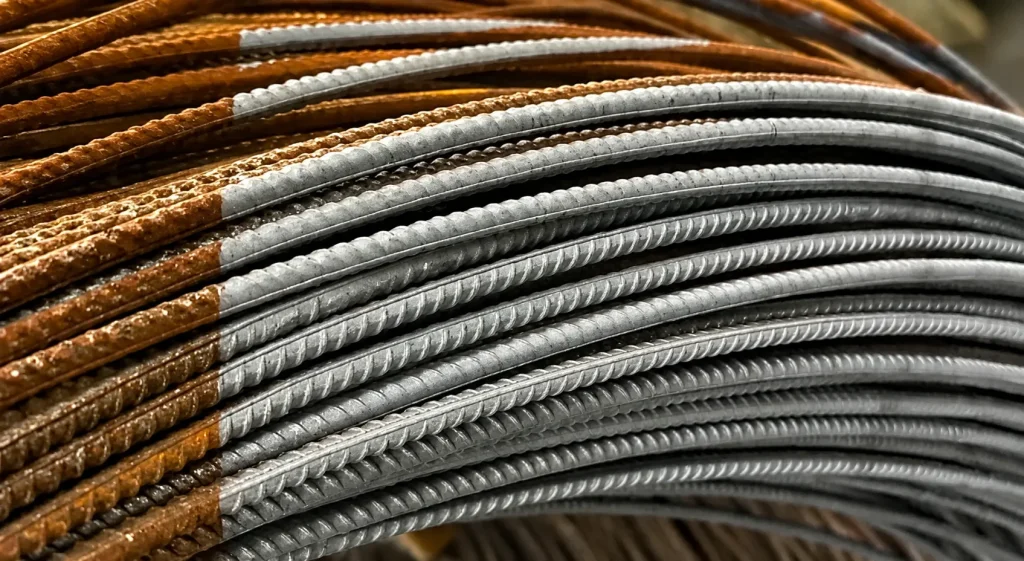
Laser cleaning is increasingly used for metal surface treatment, rust removal, paint removal, welding preparation, mold cleaning, and industrial maintenance.
Although this test focuses on terrazzo surface cleaning, laser cleaning machines are widely used in many industrial applications.
In metal processing, laser cleaning can remove rust, oxide layers, oil contamination, and surface residues from steel and other metal materials.
In manufacturing, laser cleaning is often used before welding or coating because a clean surface can improve the quality of subsequent processes.
For maintenance applications, handheld laser cleaning machines provide flexible operation for equipment repair, surface restoration, and localized cleaning tasks.
When selecting a laser cleaning machine, customers should first define the cleaning objective.
If the main requirement is:
a CW laser cleaning machine may be a better choice
If the main requirement is:
a pulsed laser cleaning machine may be more suitable.
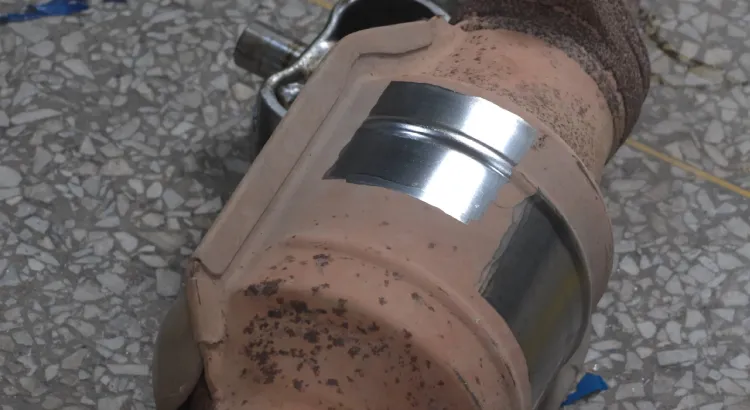
The correct choice is not based only on laser power. The material, contamination type, and final surface requirement are equally important.
The comparison between CW and pulsed laser cleaning machines on terrazzo surfaces shows that both technologies have their own advantages.
Continuous laser cleaning provides stable energy output and higher efficiency for large-area cleaning applications.
Pulsed laser cleaning provides more precise energy control and is suitable for applications requiring better surface protection.
For customers evaluating a laser cleaning machine, real application testing is one of the best ways to determine the most suitable solution.
Through practical cleaning tests, Jobon Laser helps customers understand the performance differences between CW and pulsed laser cleaning technology and select the right equipment for their specific applications.
Is laser cleaning suitable for terrazzo surfaces?
Yes. Laser cleaning can be applied to terrazzo surfaces when suitable laser parameters are selected according to the material condition and cleaning requirements.
What is the difference between CW and pulsed laser cleaning?
CW laser cleaning uses continuous laser output and focuses on stable, efficient cleaning, while pulsed laser cleaning uses short laser pulses for more precise energy control.
Which laser cleaning machine is better for large-area cleaning?
Continuous laser cleaning machines are generally more suitable for large-area applications where cleaning efficiency is important.
Is pulsed laser cleaning better for sensitive surfaces?
Pulsed laser cleaning can provide better control of energy input, making it suitable for applications requiring precision cleaning and surface protection.
2026-09
Choosing between a 1500W vs 2000W vs 3000W vs 6000W laser welding machine should start wit…
2026-09
Shielding gas consumption in laser welding can be reduced by optimizing gas flow, checking…
We will reply you within 24 hours. If for urgent case, please add WhatsApp/WeChat: +86 18053185411,.
*We respect your confidentiality and all information are protected.
We will only use your information to respond to your inquiry and will never send unsolicited emails or promotional messages.