


How to Compare Two Fiber Laser Power Options
To compare two fiber laser power options, run the same part or sheet layout on both config…
 14:43
Choosing a CNC sheet metal laser cutting machine starts with the parts your business needs to produce. Material grades, regular cutting thicknesses, sheet dimensions and required output provide a more useful starting point than laser power alone.
For buyers considering Jobon Laser equipment, these details help establish which configuration should be proposed, what supporting equipment is needed and how cutting performance should be evaluated before purchase.
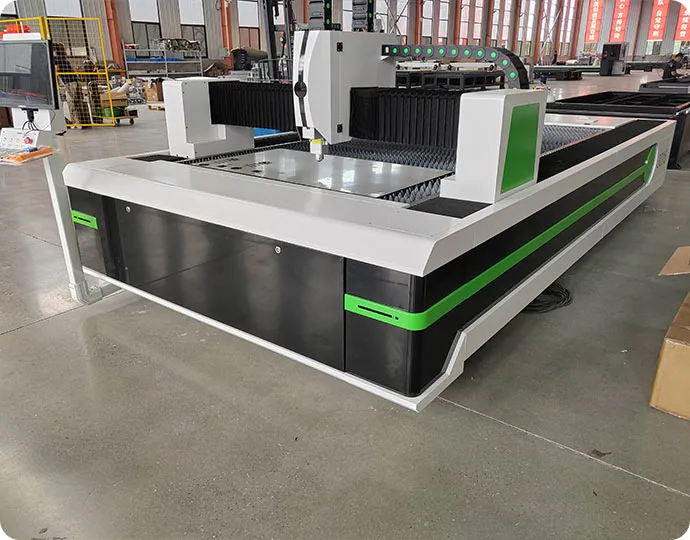
Jobon’s Large Format Macchina per taglio laser is presented for plate cutting, with its description also covering round and special-shaped pipes. Buyers handling both sheets and tubes should confirm the processing arrangement included in the proposed equipment.
For purchasing purposes, separate the general product description from the technical specification supplied for your order.
| Production Requirement | Details to Confirm |
| Flat-sheet cutting | Material grade, sheet thickness, blank dimensions and part geometry |
| Round-pipe cutting | Outside diameter, wall thickness, length and required cut features |
| Special-shaped pipe cutting | Profile drawing, dimensions, clamping and workpiece support |
| Mixed sheet and tube work | Included equipment, changeover procedure and processing limits |
| Large workpieces | Usable working area, loading access and workshop layout |
Review the laser cutting product range alongside the quotation and model-specific documentation. A general reference to sheet and pipe processing should not replace written confirmation of the equipment being supplied.
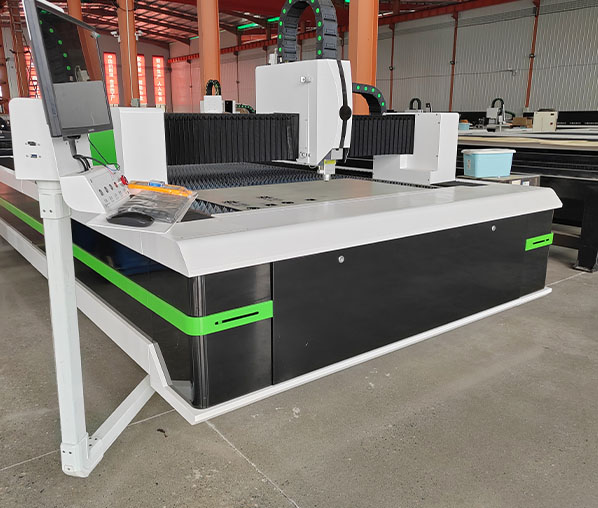
Before requesting a quotation, prepare a summary of recurring jobs. Include the parts that account for most of your production hours rather than focusing only on an occasional large order.
Your requirement sheet should identify:
A visible stainless steel panel may require a different finish from a bracket that will be welded and coated. Small holes, narrow slots and detailed contours should also be identified because they can influence the cutting process.
The goal is to give the supplier a representative production task, not simply a maximum thickness.
Laser power should be evaluated against your regular materials, thicknesses and output targets.
Ask Jobon to recommend a power level for your actual workload and explain the basis for that recommendation. The proposal should distinguish between cutting a material successfully and producing it consistently at the quality and cycle time your operation requires.
Useful questions include:
Avoid selecting a machine solely to accommodate rare thick-material jobs. Compare the additional investment with the frequency and value of those orders.

The working area should accommodate the sheet formats your workshop regularly buys.
Provide the actual blank dimensions rather than describing the requirement only as “large format.” Also identify any unusually long components, nesting requirements or restrictions on repositioning.
Review the proposed layout for:
A suitable working area is only part of the decision. The complete installation must fit your workshop and allow material to move efficiently between cutting, bending, welding and assembly.
Request a layout drawing before finalizing the order.
Ask the supplier to specify the assist gas and supply conditions required for the proposed cutting process.
For each material, the quotation or technical proposal should clarify gas type, pressure and flow requirements where applicable. Evaluate the resulting sample against your edge-quality and downstream-processing requirements.
For parts that will be coated or welded, inspect more than the freshly cut appearance. Test whether the edge can proceed through your own production process with an acceptable amount of preparation.
Before delivery, confirm:
| Site Requirement | Information to Obtain |
| Electrical supply | Voltage, frequency, phase, connected load and grounding requirements |
| Assist gas | Gas type, supply conditions, connections and expected consumption |
| Raffreddamento | Cooling arrangement and operating requirements |
| Extraction | Fume-management arrangement and included equipment |
| Workshop conditions | Space, access and any environmental requirements |
| Equipment handling | Shipping dimensions, weight and unloading instructions |
Cutting time is only one part of a production cycle. Loading sheets, removing parts, sorting components and changing materials can also affect output.
Record how many sheets your workshop processes per shift and how long material handling takes.
Discuss whether the proposed arrangement suits:
If you are considering an exchange table or automatic loading and unloading, ask whether it is available for the proposed model and request a separate description of its scope.
A sample test should answer whether the proposed equipment can produce your parts to an agreed standard.
Send drawings of a frequent production part and a more demanding component. Include material grade, thickness, dimensional requirements and the intended downstream process.
Request test records covering:
Assess the samples against your drawing requirements. Check dimensions, hole positions, edge condition, burrs and fit during assembly.
If the samples were produced using a different configuration from the quoted machine, ask the supplier to explain the difference before accepting the results as evidence.
A CNC sheet metal laser cutting machine quotation should identify the equipment and services included in the price.
Use a consistent comparison sheet when reviewing proposals:
| Quotation Item | What to Check |
| Machine identification | Model and configuration |
| Laser system | Source type, specified power and included components |
| Working area | Usable dimensions and supported workpiece requirements |
| Tube-processing capability | Included hardware and processing limits, if required |
| Material handling | Loading arrangement and any optional equipment |
| Supporting systems | Cooling, extraction and gas-related equipment |
| Software | Included functions, licensing and optional modules |
| Delivery | Packing, shipping terms and destination |
| Installation and training | Service method, responsibilities and included scope |
| Warranty and spare parts | Written coverage, exclusions and ordering arrangements |
Ask for optional items to be priced separately.For more information, please contact us.
What should I check first when choosing a CNC sheet metal laser cutting machine?
Start with material grade, regular thickness range, purchased sheet dimensions and finished-part requirements. These establish the task the proposed equipment must perform.
Which laser cutting product does Jobon currently display?
Jobon currently lists a Large Format Laser Cutting Machine. Its description refers to plate cutting, round pipes and special-shaped pipes. Confirm the model-specific configuration and processing limits before ordering. CNC & Fiber Metal Cutters
Does Jobon publish a complete cutting-power and thickness chart?
The reviewed product page does not provide a complete model-specific chart. Request the technical specification and sample results for the proposed equipment.
Can the same machine process sheets and tubes?
This depends on the supplied configuration. Ask which sheet and tube functions are included and whether additional equipment is required.
How can I obtain a relevant quotation?
Send your material specifications, sheet dimensions, drawings, production demand and destination. Ask the quotation to identify the proposed machine, supporting equipment and service scope.
What should I inspect in a cutting sample?
Check dimensional accuracy, hole positions, edge condition, underside burrs and suitability for welding, coating or assembly. Use your own drawing and quality requirements as the acceptance basis.
2026-11
To compare two fiber laser power options, run the same part or sheet layout on both config…
2026-11
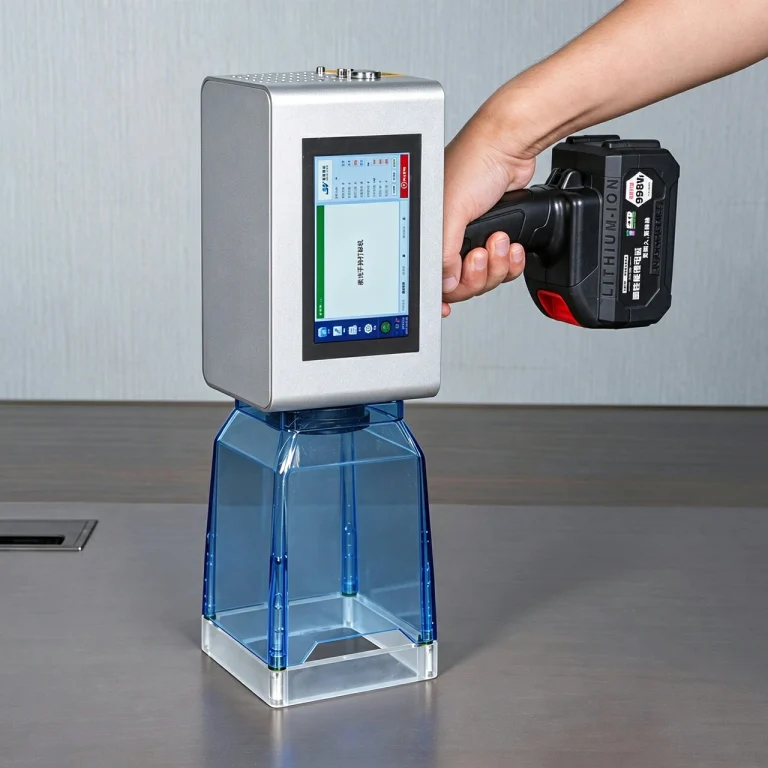
Spostare pezzi metallici pesanti verso una stazione di marcatura fissa può rallentare la produzione e aumentare la movimentazione…
Risponderemo entro 24 ore. Per casi urgenti, aggiungi WhatsApp/WeChat: +86 18053185411.
*Rispettiamo la tua riservatezza e tutte le informazioni sono protette.
Utilizzeremo le tue informazioni solo per rispondere alla tua richiesta e non invieremo mai email non richieste o messaggi promozionali.