


Laser Marking Machine for Metal Engraving: How to Laser Mark, Engrave, and Choose the Right System
A laser marking machine uses a focused beam to create permanent marks on metal, plastic, a…
 18:02
18:02 Your parts need clear marks, but labels peel, ink fades, and low-quality engraving can slow production. When traceability matters, one weak mark can create rework, returns, or compliance problems. A proper laser marking machine gives you permanent, clean, and repeatable marks.
A uses a focused beam to create permanent marks on metal, plastic, acrylic, and other materials. For industrial buyers, the right choice depends on material, laser type, laser power, marking speed, spot size, software, safety design, and whether the system supports automation, rotary marking, QR codes, logos, and serial numbers.
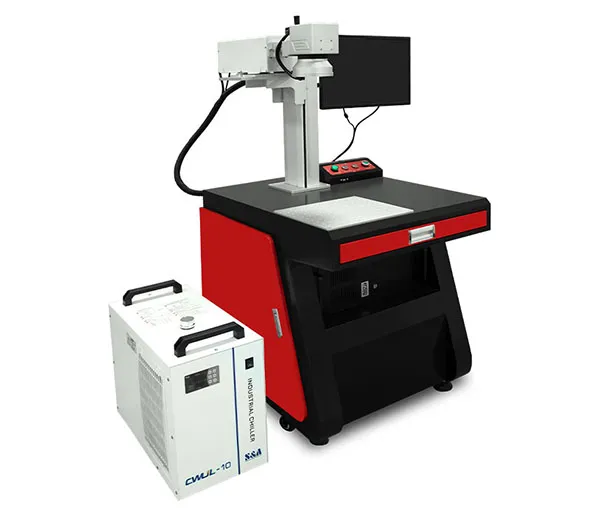
A آلة الوسم بالليزر is an industrial laser machine that uses focused laser light to create a permanent laser mark on a product surface. The mark can be text, a logo, serial numbers, a QR code, a barcode, or a small graphic. Unlike ink printing, the mark does not need consumables. Unlike stickers, it does not peel off.
For factories, the main value is simple: clear identification. A good laser mark helps workers track parts, control batches, reduce mistakes, and build brand recognition. In many production lines, marking is no longer just decoration. It is part of quality control.
Jobon Laser provides آلة الوسم بالليزر solutions for metal, plastics, electronics, and packaging, including fiber and UV systems for industrial use.
A focused beam hits the material surface and changes it through heat, color change, oxidation, etching, foaming, or micro-removal. On metal, a fiber laser is often the first choice because it works well on stainless steel, carbon steel, aluminum, brass, alloy parts, tools, and many industrial components.
A laser mark can be shallow or deeper, depending on the configuration. For simple product coding, shallow marking is enough. For stronger metal engraving, the laser may remove more surface material. The result is a clean, permanent mark that can survive handling, cleaning, and normal wear.
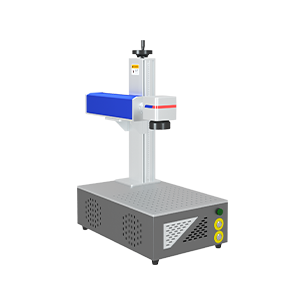
A laser engraving machine can engrave many materials, but not every laser works on every surface. Fiber laser is strong for metal. CO2 laser is useful for organic and non-metal materials. UV laser is often chosen when the material is easy to burn, melt, or deform.
For B2B buyers, material testing is important. The same “plastic” may behave differently depending on additives, color, coating, and surface finish. The same aluminum may produce different contrast depending on anodizing. This is why a sample test is often more useful than a general brochure.
Common material examples include:
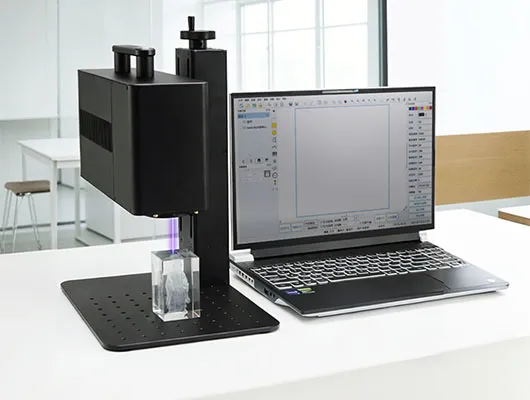
For crystal or transparent materials, Jobon Laser also highlights sample testing because different grades of crystal and optical glass may respond differently to laser engraving.
The price range depends on laser source, power, brand of components, working area, cooling method, enclosure, rotary fixture, software, lens, automation modules, and service package. A small 10w or 20w system may cost less, but it may not meet industrial speed or depth needs. A 60w or 100w system may cost more, but it can reduce processing time for demanding jobs.
Some buyers compare only the machine price. That is risky. The real cost includes training, spare parts, software support, warranty response, sample testing, packaging, shipping, import documents, and after-sales help. A cheap laser engraver machine may become expensive if it cannot produce stable marks.
When asking for a quote, prepare these details:
Material type and surface finish
Required mark content: logo, text, qr codes, serial numbers
Jobon Laser offers sample testing support and equipment pre-sales technical consulting to help buyers confirm process results before ordering.
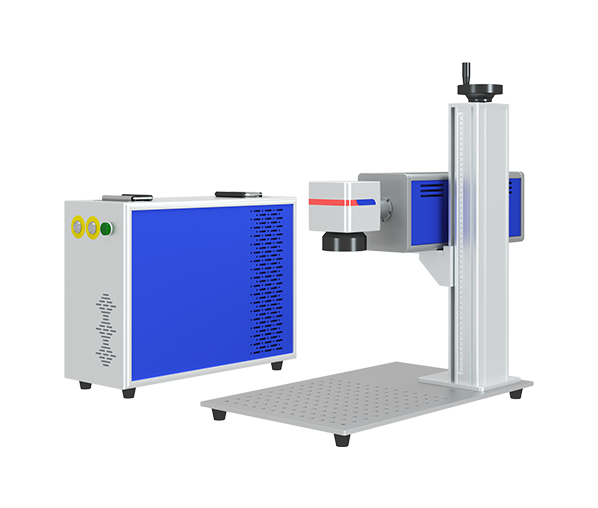
Yes. Laser marking can be integrated into automation lines, conveyor systems, robots, or CNC workflows. In this case, the machine may use flying marking, sensors, position detection, and software communication with a production system. This helps factories mark products without stopping the line.
Automation is especially useful for electronics, packaging, tools, medical parts, auto parts, and appliance components. For example, a flying UV or CO2 system can mark moving products on a conveyor. A fiber laser can engrave serial numbers on metal parts before final inspection.
A good automated solution needs more than the laser head. It needs the right fixture, f-theta lens, software, marking field, focus control, production rhythm, and operator interface. Features like touchscreen control, data import, and QR code generation can make daily operation easier.
As a factory-direct supplier, Jobon Laser focuses on industrial laser equipment, including welding, cleaning, marking, and cutting systems. For laser marking, the company offers fiber, UV, CO2, and flying marking products for different production needs. Its application page also covers آلة الوسم بالليزر applications for metal and industrial marking, including electronics, tools, auto parts, medical devices, packaging, and daily goods.
From my experience with B2B buyers, most purchasing decisions are not based only on a catalog. Buyers want proof. They want sample marks. They want stable machines. They want clear communication, OEM/ODM customization, documents, spare parts, and training.
That is why Jobon Laser’s service system matters. The company provides laser equipment after-sales service, sample testing, product videos, pre-sales support, and technical assistance. For distributors, integrators, and factory buyers, this can reduce risk before and after purchase.
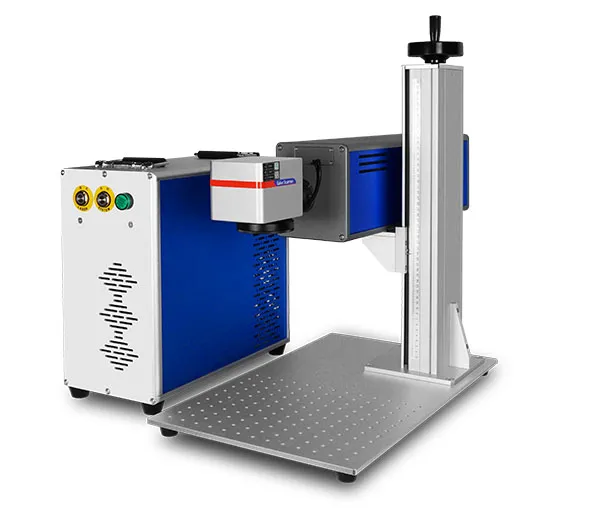
Laser marking usually changes the surface color or structure without removing much material. Laser engraving removes material to create a deeper mark. In daily use, people often use both terms together, but for industrial selection, mark depth matters.
Yes. A fiber laser can engrave stainless steel and many other metals. It can create logos, serial numbers, QR codes, and decorative marks. For black or color marking, a MOPA fiber system may be a better choice.
Sometimes, but it depends on the material and laser type. Fiber laser is strong for metal. UV laser is better for many plastics and heat-sensitive materials. CO2 laser is better for many non-metal materials. Sample testing is the safest way to confirm.
A 20w fiber laser can handle many standard marking jobs. Higher power is useful for deeper engraving, faster marking speed, or harder materials. The best choice depends on material, mark size, depth, and production volume.
2026-04
A laser marking machine uses a focused beam to create permanent marks on metal, plastic, a…
2026-04
Struggling with bulky marking systems, inconsistent results, or damage on delicate materia…
سنرد عليك في غضون 24 ساعة. إذا كانت الحالة طارئة، يُرجى إضافة واتساب/وي شات: +86 18053185411,.
*نحن نحترم سريتك وجميع معلوماتك محمية.
لن نستخدم معلوماتك إلا للرد على استفسارك ولن نرسل أبداً رسائل بريد إلكتروني غير مرغوب فيها أو رسائل ترويجية.