Laser Cleaning Machine Applications

Learn about Jobon Laser’s 14+ years of experience, in-house factory, global reach, and commitment to innovation in laser machinery.

What is Rust?

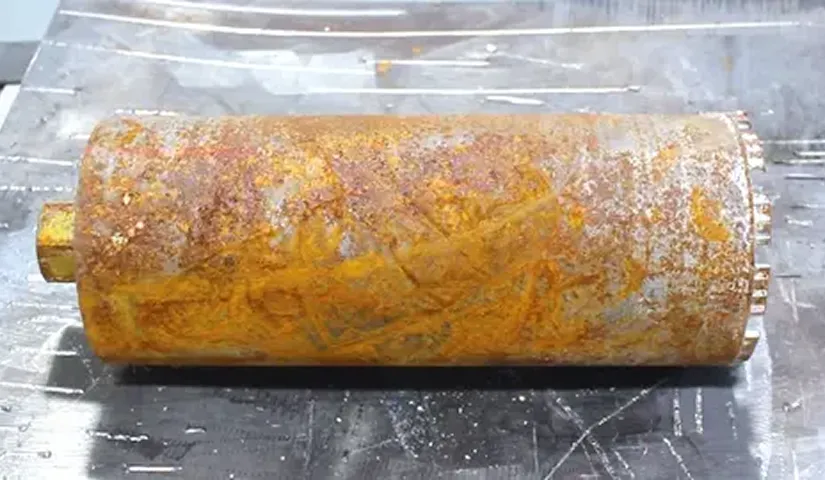
Rust on the surface of metal is essentially the result of electrochemical corrosion of the material. The most common is rust on the surface of iron or steel.

Rust has a typical layered porous structure. The outer layer is loose α-Fe₂O₃ (reddish brown), the middle layer is a mixture of γ-FeOOH (yellowish brown) and Fe₃O₄ (black), and the inner layer is dense Fe₃O₄. This structure easily absorbs moisture and oxygen. Moisture and oxygen continue to penetrate and gradually erode the metal matrix. The volume of the rust layer is 4 to 7 times larger than that of pure iron. Volume expansion accelerates surface peeling and makes corrosion more severe.

In addition to iron, aluminum, and copper also undergo similar electrochemical reactions. Aluminum reacts with oxygen when exposed to air to form Al₂O₃. This is a dense amorphous film called a passivation film. When the copper surface comes into contact with air and water, basic copper carbonate, often referred to as “patina,” is formed.

The Harm of Rust

Rust can cause harm to the human body and many aspects of life. For example:

  1. If a rusty iron nail pierces the skin, there is a risk of tetanus infection.
  2. If the steel bars in the concrete are rusted, the cross-sectional area will be reduced by 10%. The structural bearing capacity will drop by about 40%.
  3. The corrosion rate of ship steel plates in a seawater environment can reach 1.5mm. This greatly shortens the service life.
  4. If the chassis of a car is rusted, the strength of the car body will be reduced by 5% to 10%, which can affect driving safety.

Product Features

  • Laser Rust Removal Solution

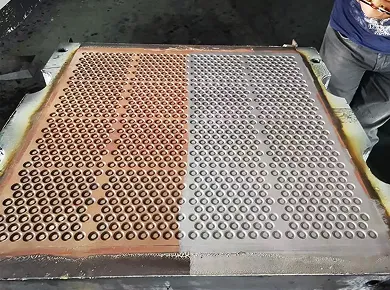
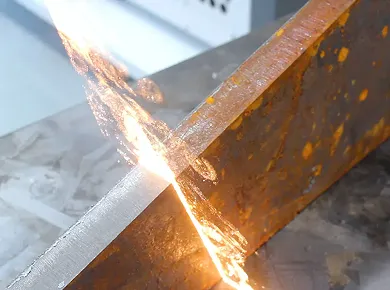
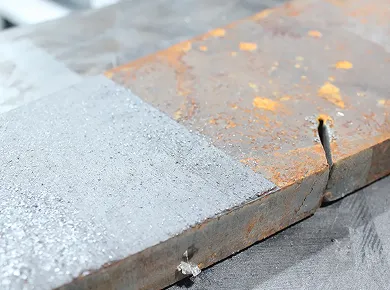
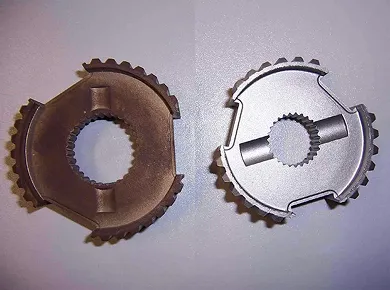
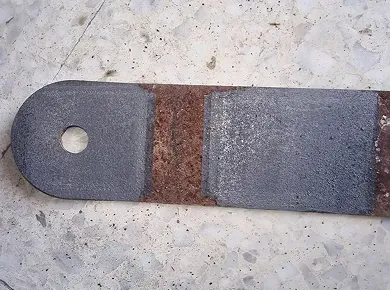
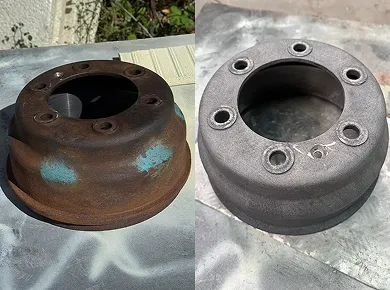
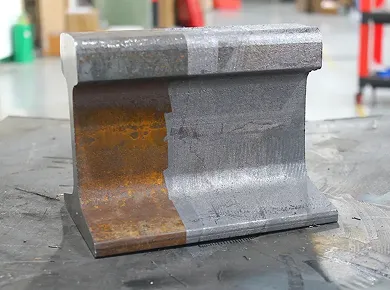
    Laser rust removal is a modern, efficient, and environmentally friendly method for removing rust from metal surfaces. Unlike traditional cleaning methods, laser cleaning machines use high-energy laser beams to target and vaporize rust precisely.This method ensures no damage is caused to the base material. The non-contact cleaning technique is much safer and easier to use.

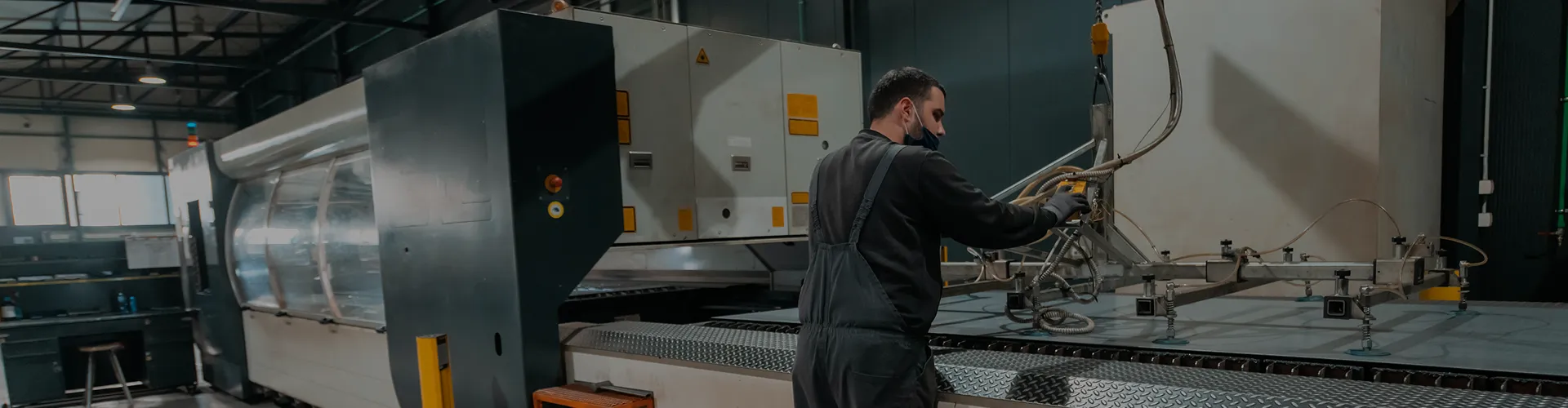
    Our laser cleaning machines are used in the automotive, shipbuilding, construction, and restoration industries. With minimal noise, no chemicals, and low maintenance, laser cleaning machines are becoming the preferred solution for rust removal in industrial applications.

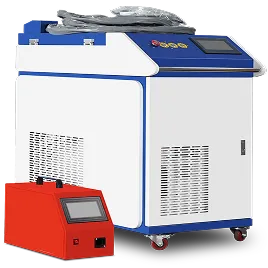
    HANTENCNC provides both PULSE LASER RUST REMOVAL MACHINES and CONTINUOUS LASER RUST REMOVAL MACHINES, offering reliable rust removal solutions tailored to different industrial needs.

  • PULSE LASER RUST REMOVAL MACHINES

    Pulse laser rust removal machines are excellent for precision cleaning tasks.

    They deliver high peak power in ultra-short bursts, effectively removing rust without damaging the underlying material.

    With minimal heat impact, these machines ensure safe cleaning even on delicate or high-value components.

  • CONTINUOUS LASER RUST REMOVAL MACHINES

    Continuous laser rust removal machines are suited for heavy-duty rust removal tasks.

    With high power and stable beam output, they can quickly strip large areas of rust, paint, or oxide layers with great efficiency.

    Continuous laser rust removal machines are ideal for tackling thick corrosion layers and large-scale industrial applications. They are more cost-effective than pulse laser machines and are suitable for situations that do not require ultra-fine precision.

Laser Rust Removal Solution

Except for laser cleaning, there are many traditional methods for removing rust. These traditional rust removal solutions are typically categorized into physical and chemical solutions, including mechanical, chemical, sandblasting, and high-pressure water-based solutions.

Physical Rust Removal Solution:

Use scrapers, wire brushes, and sandpaper. Remove rust by knocking, scraping, and grinding. You can also use sandblasting, high-pressure water guns, and other equipment for cleaning.

Chemical Laser Rust Removal Solution:Generally, weak acids (such as acetic acid) or diluted strong acids (such as hydrochloric acid) react with rust to remove rust.

LASER CLEANING CHEMICAL CLEANING DRY ICE CLEANING ABRASIVE BLASTING/SHOT PEENING
Cleaning Principle High-energy laser remove contaminants Chemical dissolution reaction Cryogenic impact removal Physical abrasive impact on surface

Product Features

Contact with an Laser Rust Cleaner Expert?

Live demonstration of our machines? Or a custom quote?

Feel free to contact our experts!

WhatsApp:+86 18053185411

Get a Quote

FAQ – CNC Panel Bender

  • What is Laser Cleaning?How Does it Work?

    All units meet IEC 60076 standards with CE/UKCA markings. Oil-immersed models feature ≤35kV short-circuit withstand certification.

Get a Quote

    We will reply you within 24 hours. If for urgent case, please add WhatsApp/WeChat: +86 ******,. Or call +86 ****** directly.

    *We respect your confidentiality and all information are protected.

    We will only use your information to respond to your inquiry and will never send unsolicited emails or promotional messages.