










1500W vs 2000W vs 3000W vs 6000W Laser Welding Machine: Which Power Do You Need?
Choosing between a 1500W vs 2000W vs 3000W vs 6000W laser welding machine should start wit…
 17:57
17:57 Surface cleaning is an essential process in many industries, including metal fabrication, automotive manufacturing, aerospace, shipbuilding, machinery maintenance, and mold production. The quality of surface preparation directly affects subsequent processes such as welding, coating, painting, and assembly.
For many years, manufacturers have relied on traditional cleaning methods, including chemical cleaning, mechanical polishing, dry ice cleaning, and ultrasonic cleaning. These methods can still be effective in certain applications, but they may also involve limitations such as consumable costs, environmental concerns, surface damage risks, and limited cleaning precision.
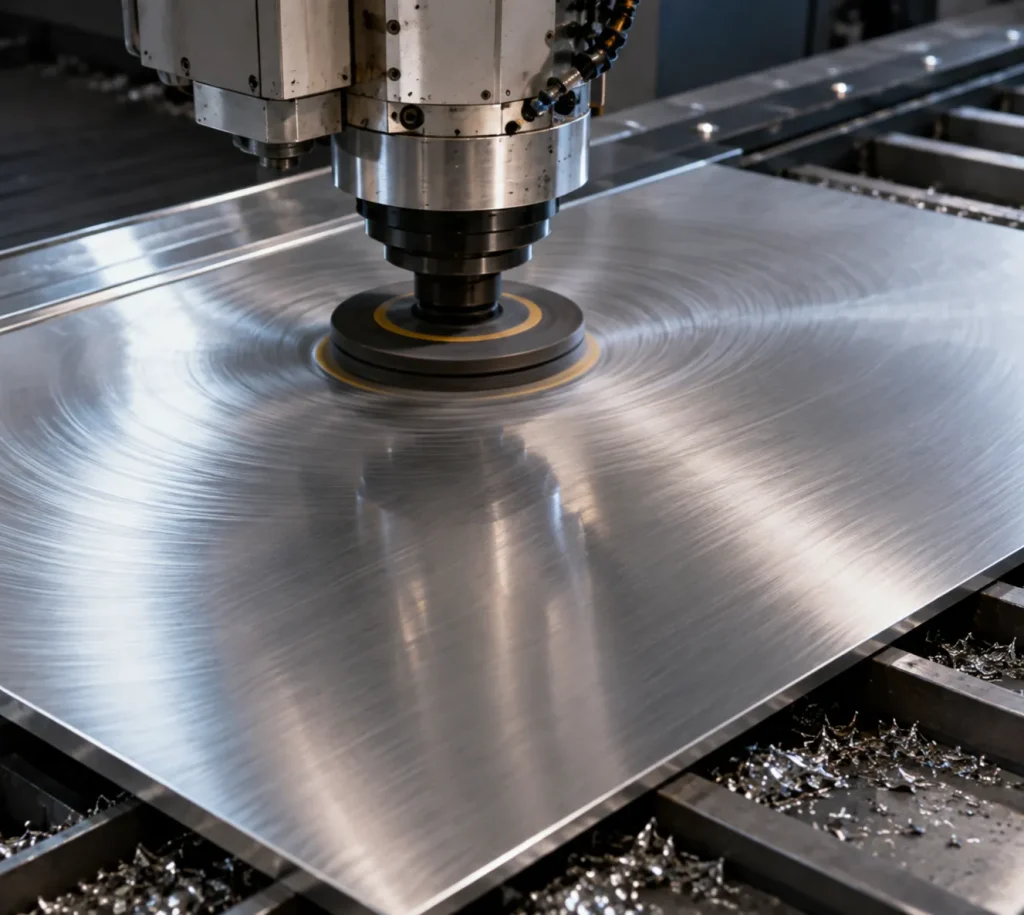
With the development of laser technology, laser cleaning machines have become an advanced alternative for industrial surface treatment. By using a high-energy laser beam to remove contaminants without physical contact, laser cleaning provides a cleaner, more precise, and more controllable cleaning solution.
But compared with traditional cleaning technologies, is laser cleaning really better?
This article compares laser cleaning machines with chemical cleaning, mechanical polishing, dry ice cleaning, and ultrasonic cleaning to help manufacturers understand which cleaning method is more suitable for their applications.
A laser cleaning machine is an advanced surface treatment system that uses laser energy to remove unwanted materials from the surface of a workpiece.
Unlike traditional cleaning methods that rely on chemicals, abrasive materials, or physical contact, laser cleaning uses a non-contact cleaning process. The laser beam is precisely controlled and directed onto the contaminated area, allowing unwanted layers to be removed while maintaining the condition of the base material.
During the cleaning process, contaminants such as rust, oxide layers, paint coatings, oil stains, and production residues absorb laser energy differently from the substrate. This difference allows the laser to selectively remove unwanted materials from the surface.
Because no chemical solutions or abrasive consumables are required, laser cleaning technology provides an environmentally friendly approach for many industrial applications.
Modern laser cleaning systems are available in different configurations, including CW laser cleaning machines and pulse laser cleaning machines., allowing users to select the appropriate solution according to their cleaning requirements.
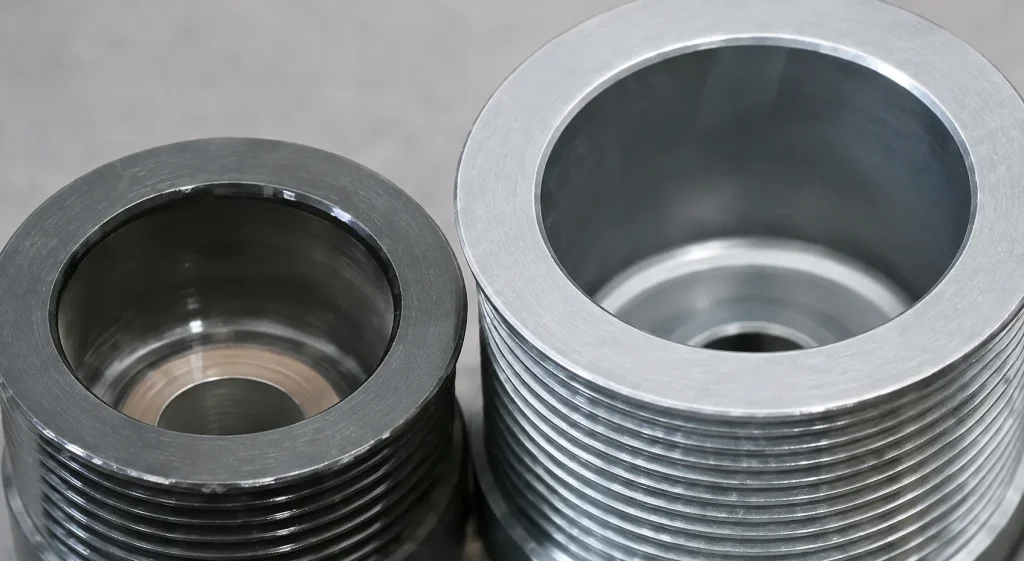
Chemical cleaning is one of the most traditional methods used for removing contamination from industrial parts. It uses chemical solutions to dissolve oil, rust, paint, and other unwanted materials.
Although chemical cleaning can achieve good results in certain applications, it usually requires additional processes for chemical handling, waste treatment, and environmental protection.
Laser cleaning provides a different approach. Instead of using chemical agents, it uses laser energy to directly remove surface contamination.
The biggest difference between these two methods is the cleaning process itself.
Chemical cleaning requires:
Laser cleaning mainly requires:
For manufacturers focusing on environmental protection and process control, laser cleaning offers advantages because it does not produce chemical waste during the cleaning process.
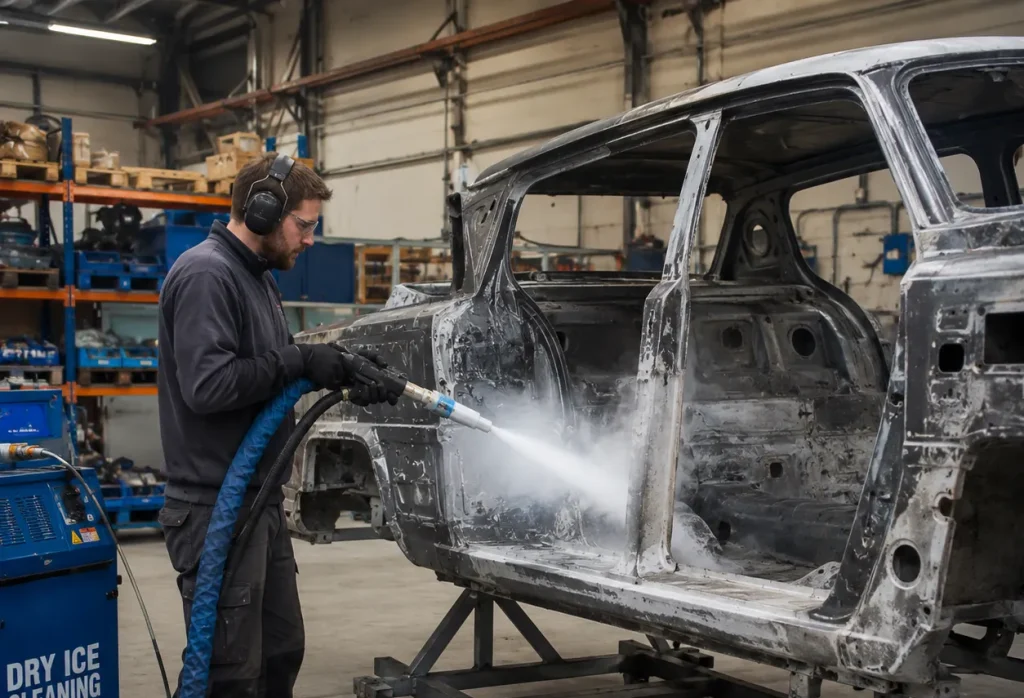
Dry ice cleaning is a non-contact cleaning method that uses dry ice particles to remove contamination from surfaces.
Compared with mechanical cleaning, dry ice cleaning reduces physical contact. However, it still requires continuous dry ice supply during operation.
Laser cleaning provides another non-contact solution without the need for additional cleaning media.
The differences between the two methods mainly involve:
Dry ice cleaning requires dry ice consumption, while laser cleaning mainly requires electrical energy.
For industrial users who perform frequent cleaning operations, reducing consumable dependence can help lower long-term maintenance costs.
Ultrasonic cleaning is commonly used for small components and precision parts. It uses ultrasonic vibration combined with cleaning solutions to remove contamination.
This method is effective for certain applications, especially when parts can be placed inside cleaning equipment.
However, ultrasonic cleaning has limitations when dealing with:
Laser cleaning machines provide greater flexibility because handheld models allow operators to clean different areas directly without moving the workpiece.
A handheld laser cleaning machine is especially useful for industrial maintenance, equipment repair, and large metal component cleaning.
| Предмет сравнения | Лазерная очистка | Химическая очистка | Mechanical Polishing | Очистка сухим льдом | Ultrasonic Cleaning |
| Cleaning Method | Non-contact laser cleaning | Chemical solution contact cleaning | Physical abrasive contact | Dry ice impact cleaning | Cleaning solution + ultrasonic vibration |
| Workpiece Damage | Low risk | Possible | Possible | Possible | Possible |
| Cleaning Efficiency | Высокий | Low to medium | Low | Средний | Средний |
| Расходные материалы | Объектив | Chemical solutions required | Sandpaper, grinding wheel, abrasive materials | Dry ice required | Special cleaning solutions |
| Cleaning Effect | Excellent cleanliness and controllable result | Average, may be uneven | Average, depends on operation | Good but less uniform | Good for small cleaning areas |
| Precision Cleaning | High precision and controllable | Limited control | Limited control | Limited precision | Limited cleaning range |
| Воздействие на окружающую среду | No chemical pollution | Chemical waste concerns | Dust and material waste | Low pollution | Cleaning solution waste |
| Долгосрочная стоимость | Lower maintenance cost | High consumable cost | Consumable and labor cost | Continuous consumable cost | Consumable cost |
The increasing adoption of laser cleaning technology is closely related to the changing requirements of modern manufacturing.
Manufacturers today are looking for cleaning solutions that provide:
Laser cleaning technology meets these requirements by combining precision control with efficient surface treatment.
In industries such as automotive manufacturing, aerospace, metal processing, and industrial equipment maintenance, laser cleaning machines are becoming an important solution for surface preparation.
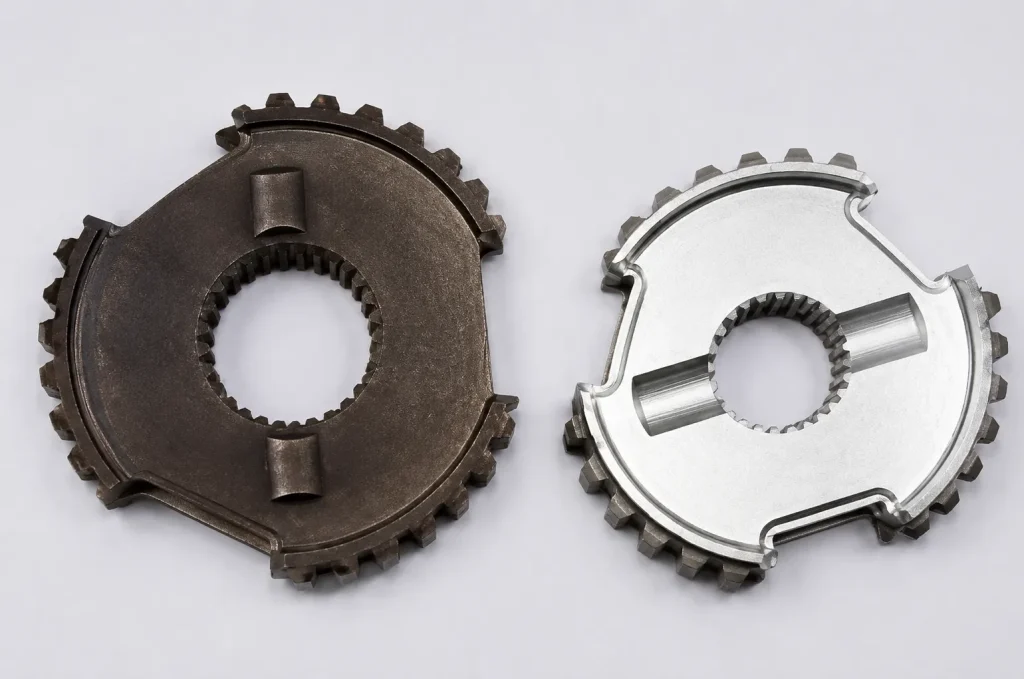
A laser cleaning machine can be used for various surface treatment applications.
One of the most common applications is laser rust removal.
A laser rust removal machine can remove oxidation and corrosion layers from:
Compared with manual grinding, laser rust removal provides better control and reduces surface damage risks.
Laser cleaning can also remove:
This makes it suitable for:
Before welding, surface contamination can affect welding quality.
Laser cleaning can remove:
creating a cleaner surface for welding or bonding.
Laser cleaning is also used for:
where traditional abrasive cleaning may not be suitable.
The price of a laser cleaning machine depends on multiple factors, including:
For example, a compact handheld laser cleaning machine may be designed for flexible maintenance work, while a high-power industrial laser cleaning machine is developed for large-scale manufacturing applications.
Power levels such as 300W pulse laser cleaning machines and 3000W laser cleaning machines are selected according to cleaning difficulty, material type, and production requirements.
When evaluating laser cleaning machine price, customers should consider not only the initial investment but also long-term operating costs, including consumables, maintenance, and labor.
Choosing the correct laser cleaning solution depends on the actual application.
For precision cleaning tasks, a pulse laser cleaning machine may provide better control because of its energy delivery characteristics.
For large-area industrial cleaning, a high-power fiber laser cleaning machine or continuous laser cleaning solution may provide higher efficiency.
For flexible operation, a handheld laser cleaning machine allows operators to clean complex surfaces and large components more conveniently.
The best solution should be selected according to:
| Application | Preferred Method |
|---|---|
| Precision mold cleaning | Pulsed laser cleaning |
| Thin oxide layer | Pulsed laser cleaning |
| Large-area heavy rust | CW laser / abrasive blasting depending on requirements |
| Small complex components | Ultrasonic cleaning may be suitable |
| On-site equipment maintenance | Handheld laser cleaning |
| Heavy coating removal | CW laser / blasting depending on thickness and surface requirements |
| Sensitive substrate | Pulsed laser cleaning |
| Oil/chemical contamination | Application testing recommended |
Is laser cleaning better than chemical cleaning?
Laser cleaning provides advantages in precision, environmental protection, and reduced consumable usage. However, the best method depends on the specific application.
Can laser cleaning remove rust completely?
Yes. Laser cleaning machines are widely used for rust removal applications. The cleaning result depends on rust thickness, material type, and laser parameters.
Does laser cleaning damage metal surfaces?
Laser cleaning is a non-contact process. When properly configured, it can remove contaminants while protecting the base material.
What is the difference between a pulse laser cleaning machine and a fiber laser cleaning machine?
A pulse laser cleaning machine describes the laser output method, while a fiber laser cleaning machine describes the laser source technology. Many industrial cleaning systems use fiber laser sources.
Are laser cleaning machines worth the investment?
For companies requiring frequent cleaning operations, laser cleaning machines can provide long-term benefits by reducing consumable usage, improving cleaning consistency, and increasing operational flexibility.
Compared with traditional cleaning technologies, laser cleaning provides a modern solution for industrial surface treatment.
Chemical cleaning, mechanical polishing, dry ice cleaning, and ultrasonic cleaning still have their own application areas, but laser cleaning offers unique advantages through non-contact operation, precise control, and reduced consumable requirements.
From laser rust removal and metal surface cleaning to industrial maintenance and precision component cleaning, laser cleaning machines provide manufacturers with a flexible and efficient cleaning option.
For companies evaluating a new cleaning technology, understanding the differences between laser cleaning and traditional methods is the first step toward choosing the right industrial cleaning solution. Not Sure Whether CW or Pulsed Laser Cleaning Is Right for Your Application? Send Us a Sample.
2026-09
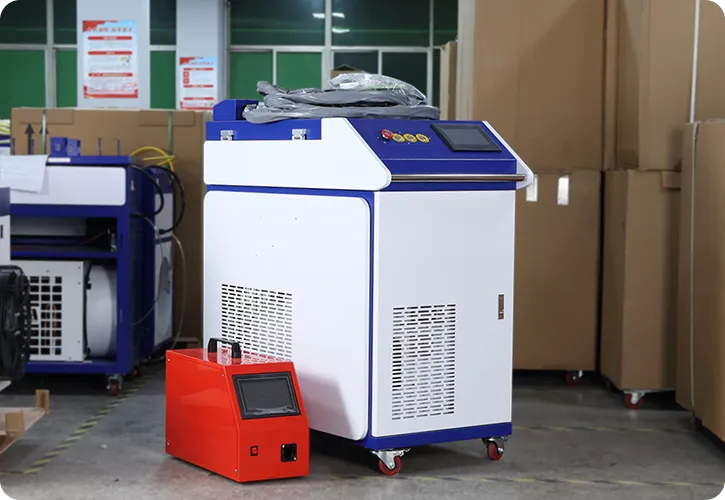
Choosing between a 1500W vs 2000W vs 3000W vs 6000W laser welding machine should start wit…
2026-09
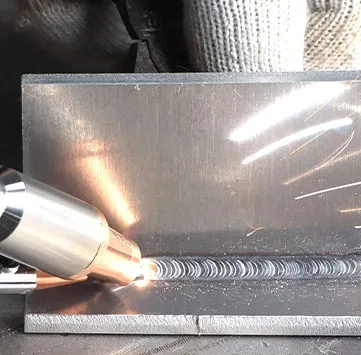
Shielding gas consumption in laser welding can be reduced by optimizing gas flow, checking…
Мы ответим вам в течение 24 часов. Если для срочного случая, пожалуйста, добавьте WhatsApp/WeChat: +86 18053185411,.
*Мы уважаем вашу конфиденциальность и защищаем всю информацию.
Мы будем использовать вашу информацию только для ответа на ваш запрос и никогда не будем отправлять нежелательные электронные письма или рекламные сообщения.