











1500W vs 2000W vs 3000W vs 6000W Laser Welding Machine: Which Power Do You Need?
Choosing between a 1500W vs 2000W vs 3000W vs 6000W laser welding machine should start wit…
 17:43
17:43 Choosing the wrong laser cleaning process can slow production, damage sensitive surfaces, or waste budget. This guide helps buyers compare CW and pulsed laser cleaning.
CW laser cleaning uses continuous laser energy for fast heavy-duty cleaning. Pulsed laser cleaning uses short laser pulses for controlled surface treatment with lower heat impact. Buyers should choose based on rust level, substrate sensitivity, cleaning speed, surface quality, budget, and application testing.
Laser cleaning is now widely used for rust removal, paint removal, oil cleaning, oxide removal, mold maintenance, and metal surface preparation. But many buyers face the same question before purchase: should they choose a CW laser cleaning machine or a pulse laser cleaning machine?
The answer depends on your material, surface condition, cleaning target, production speed, heat control needs, and budget. A CW laser cleaner usually fits heavy rust, thick paint, large steel parts, and high-speed industrial cleaning. A pulsed laser cleaning machine is often better for precision cleaning, mold cleaning, thin materials, cultural relic restoration, and surfaces that need lower heat impact.
This article explains the difference in simple terms. It also helps metal fabrication factories, maintenance contractors, distributors, and procurement teams choose the right laser cleaner machine for real applications.
Heavy rust and thick coatings can slow manual cleaning and increase labor cost. CW laser cleaning helps buyers handle large-area surface treatment faster.
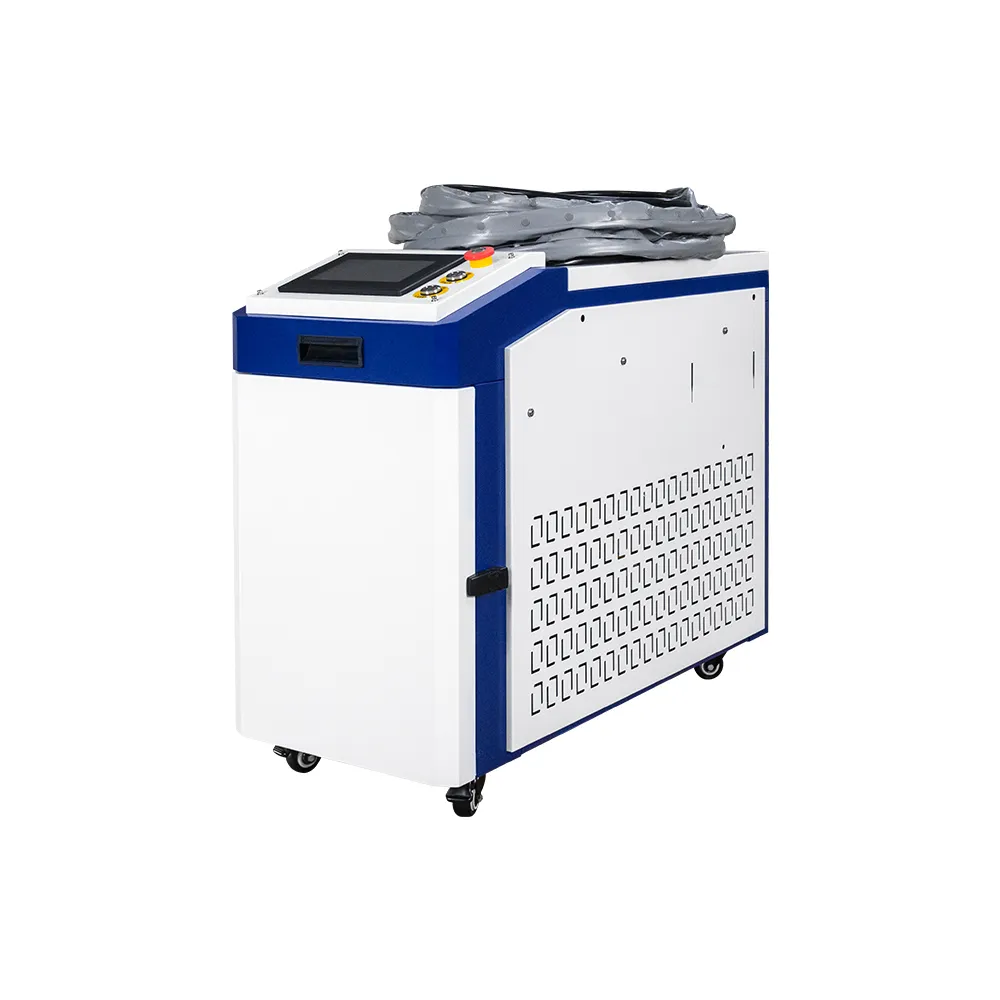
A CW laser cleaning machine uses continuous laser output to remove rust, paint, oil, oxide layers, and coatings from metal surfaces. It is often used for heavy-duty industrial cleaning where speed and area coverage are important.
CW means continuous wave. A CW laser cleaning machine sends laser energy in a continuous beam instead of short pulses. This makes it suitable for fast cleaning on large metal surfaces. Buyers often choose CW laser cleaning for steel structures, ship parts, metal frames, boiler parts, construction machinery, and other heavy industrial components.
The main advantage of CW laser cleaning is efficiency. When a factory needs to remove thick rust, old paint, welding stains, or heavy oxide layers from large parts, speed becomes important. Manual grinding, sandblasting, and chemical cleaning can require more labor, more consumables, and more preparation. A CW laser cleaner can help reduce some of these steps when the application is suitable.
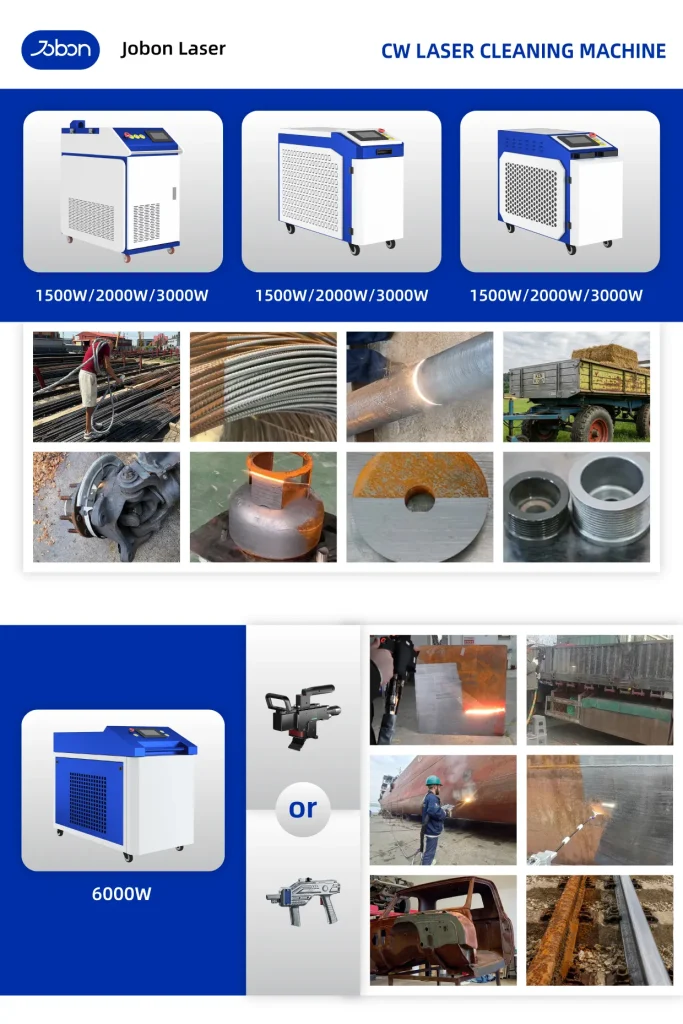
However, CW laser cleaning also brings more heat to the workpiece than pulsed laser cleaning. It means buyers must match the machine to the right material and cleaning target. Thick steel parts and rough industrial surfaces can often accept more heat. Thin plates, precision molds, delicate parts, or surfaces with strict appearance requirements may need more careful testing.
For buyers, CW laser cleaning should not be selected only by power or price. The buyer should check the rust level, surface size, base material, cleaning speed target, operator skill, cooling method, and working environment. If the goal is high-efficiency laser rust removal machine performance for large metal parts, CW laser cleaning may be a practical choice.
Jobon Laser can help buyers evaluate whether CW laser cleaning fits their surface condition before purchase. Sample testing is useful because rust thickness, coating type, and material sensitivity can change the final cleaning result.
Sensitive materials can be damaged by too much heat during cleaning. Pulsed laser cleaning gives buyers better control over surface treatment.
A pulsed laser cleaning machine uses short laser pulses to remove rust, oxide, paint, oil, and contaminants with controlled heat input. It is suitable for precision cleaning, mold cleaning, thin metals, and surfaces that require lower thermal impact.
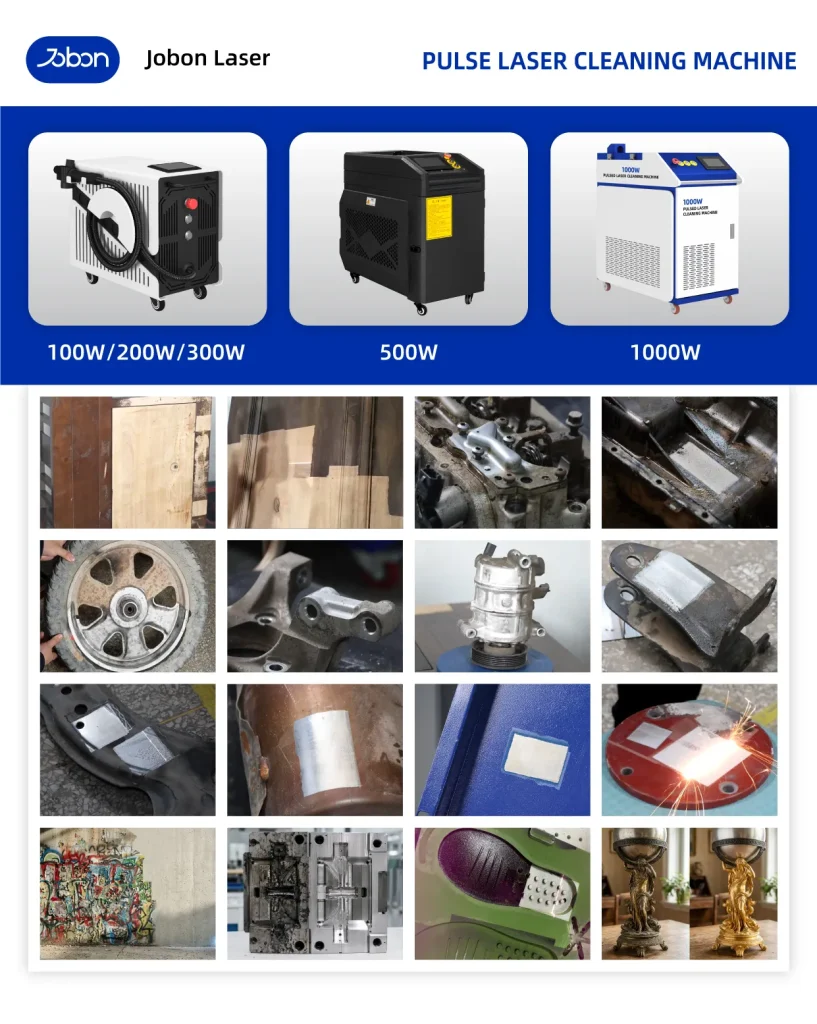
A pulse laser cleaning machine does not release laser energy continuously. It releases energy in short pulses. This helps the cleaning process act more carefully on the surface. The short pulse energy can remove contaminants while reducing heat accumulation on the base material.
This is why many buyers choose pulsed laser cleaning when surface quality matters more than cleaning speed. A 200w pulse laser cleaning machine, 300w pulse laser cleaning machine, or 500w pulse laser cleaning machine may be used for different cleaning needs. Lower-power pulse systems are often considered for fine cleaning. Higher-power pulse systems can improve cleaning efficiency while still offering better control than many high-power CW systems.
Pulsed laser cleaning is often used for molds, precision parts, aluminum parts, stainless steel surfaces, light rust, oxide layers, cultural relic restoration, and some wood cleaning applications when the process is tested carefully. For buyers who search for pulse laser cleaning machine for wood or laser wood cleaning machine price, testing is especially important. Wood is not the same as metal. The surface can react differently depending on density, coating, moisture, and laser settings.
The main benefit of a pulsed laser cleaning machine is process control. Buyers can adjust parameters to balance cleaning strength, heat impact, and surface effect. This makes pulsed laser cleaning useful for applications where the original surface must stay as stable as possible.
However, pulsed laser cleaning is not always the fastest choice for large-area heavy rust removal. If the buyer needs to clean large steel plates, heavy machinery, or thick rust layers every day, a CW laser cleaning machine may offer higher cleaning efficiency. If the buyer needs fine surface treatment, lower heat impact, and better surface protection, a pulsed laser cleaning machine may be more suitable.
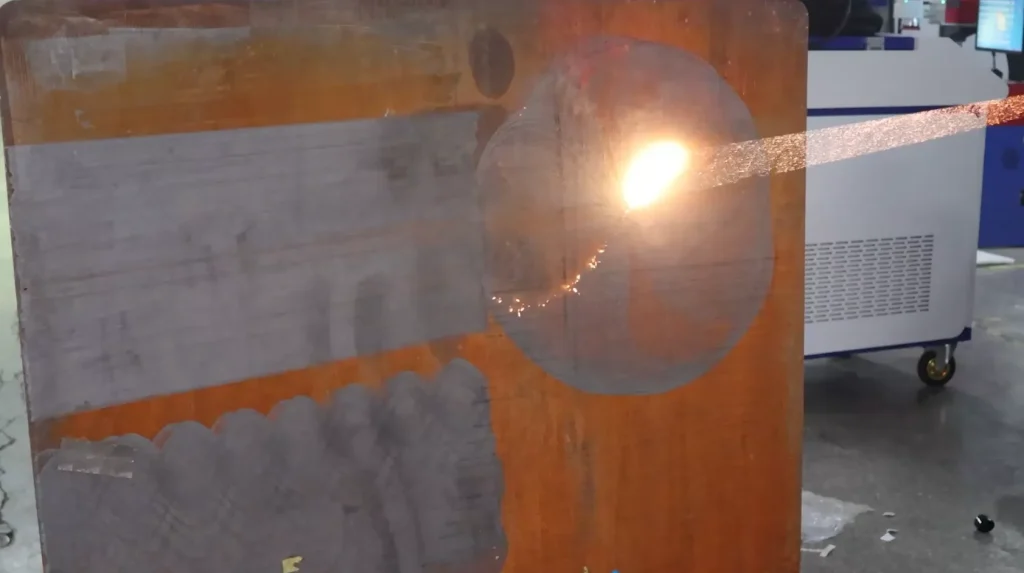
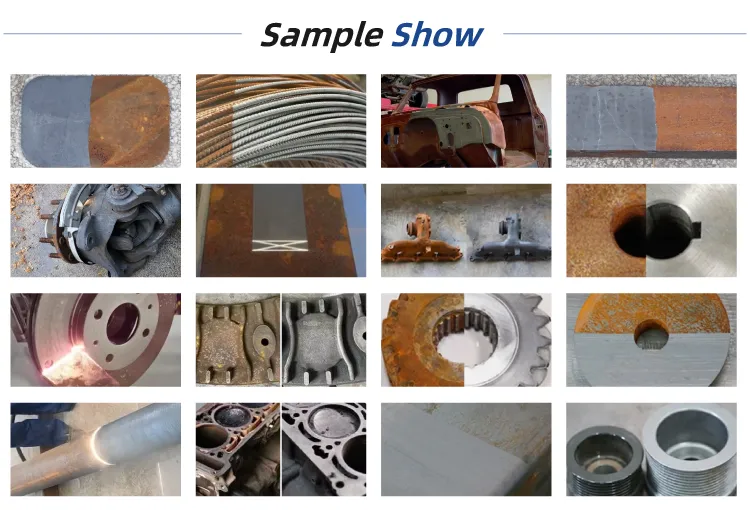
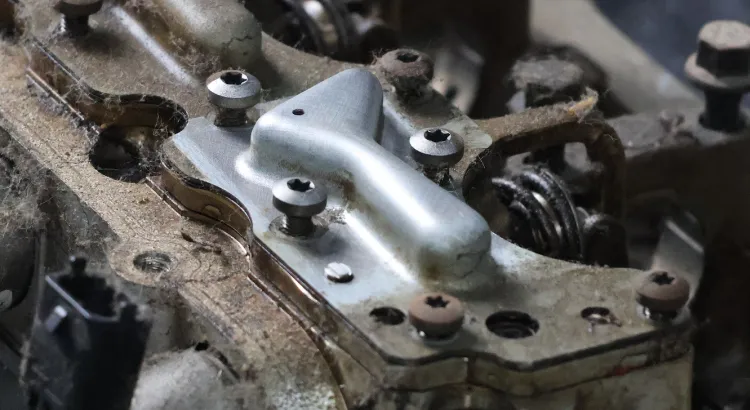
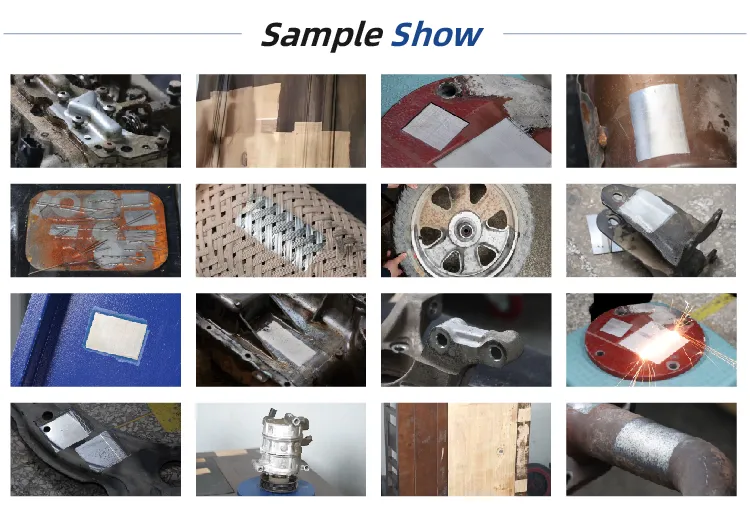
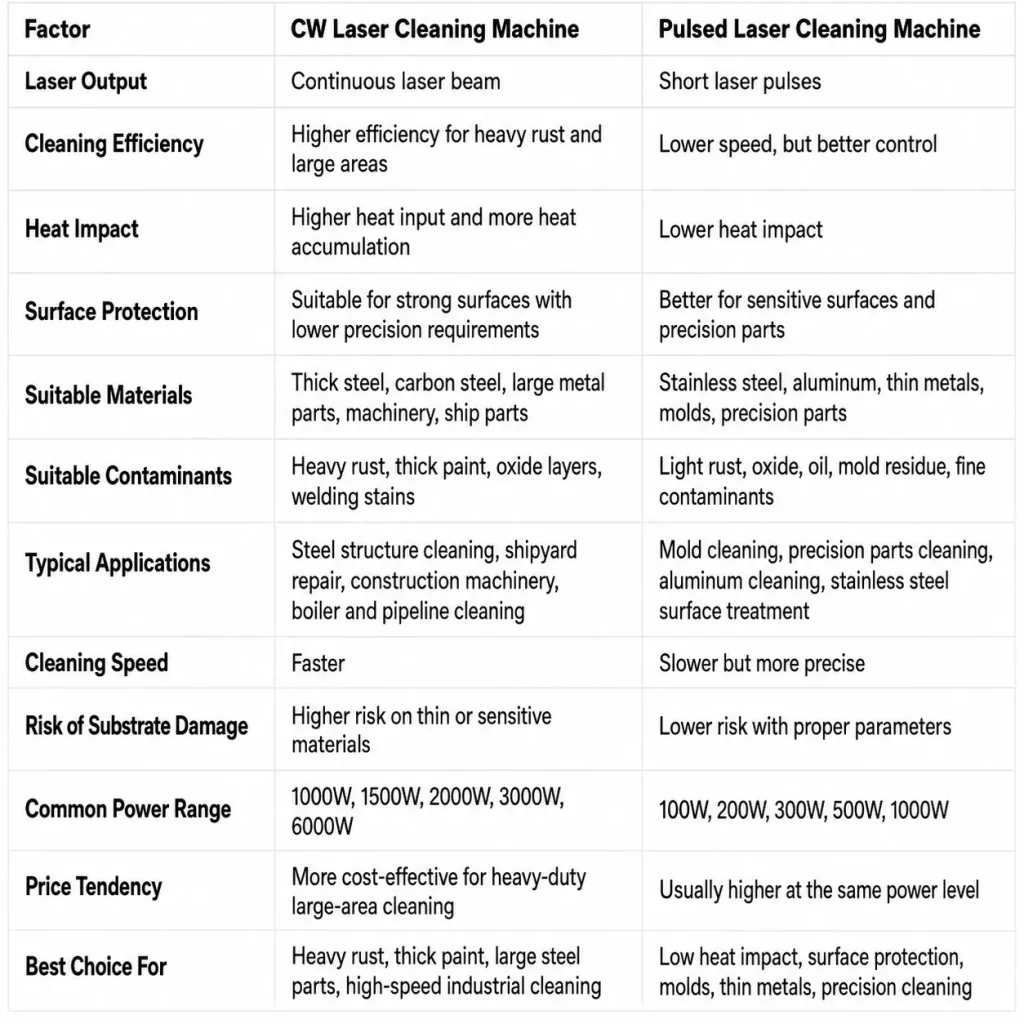
In simple terms, choose a CW laser cleaning machine if your main goal is fast heavy-duty cleaning on large metal parts. Choose a pulsed laser cleaning machine if your main goal is lower heat impact, better surface protection, or precision cleaning. The best choice depends on your material, rust or coating thickness, cleaning speed requirement, and final surface quality.
A laser cleaner may look similar from the outside, but the cleaning process can be very different. Buyers need to compare key factors before ordering.
The main differences are cleaning efficiency, heat impact, material compatibility, and price structure. CW laser cleaning usually offers higher speed for heavy cleaning. Pulsed laser cleaning usually offers better control for sensitive surfaces and precision cleaning.
Efficiency is usually the first concern for industrial buyers. CW laser cleaning can remove heavy rust, thick paint, and large-area contamination faster in many applications. This makes it useful for steel structures, ship maintenance, large molds, construction machinery, and industrial repair. If the buyer needs to clean many square meters per day, CW cleaning may help reduce labor time.
Heat impact is the second important factor. CW laser cleaning sends continuous energy to the surface. This can create more heat accumulation. For strong steel parts, this may be acceptable. For thin metal, precision parts, or surfaces that need low thermal change, it may create risk. Pulsed laser cleaning sends energy in short pulses. This helps control heat and protect the base material better in many fine cleaning tasks.
Material compatibility also matters. Carbon steel, stainless steel, aluminum, copper, wood, painted surfaces, and coated parts can react differently. For example, laser rust removal on steel may be easier than cleaning a delicate surface with multiple coatings. Buyers should not assume one laser cleaner machine can handle every material with the same result. Parameter adjustment and sample testing are important.
Price is another major difference. Laser cleaning machine price depends on more than power. A buyer should check laser source type, pulse or CW technology, power level, cooling system, control software, cleaning head, cable design, accessories, customization, training, and after-sales support. A 300w pulse laser cleaning machine may not be directly comparable with a 3000w laser cleaning machine because their cleaning logic and application targets are different.
For distributors, the choice should also consider market demand. If local customers need heavy rust removal for steel structures, CW systems may be easier to promote. If customers need mold cleaning, precision cleaning, or lower heat impact, pulsed laser cleaning machine for sale may be a better product direction.
Large rusted parts and thick coatings need efficient cleaning. CW laser cleaning can be a practical choice when speed matters more than fine surface control.
Buyers should choose CW laser cleaning when they need fast cleaning for heavy rust, thick paint, large steel parts, industrial equipment, ship parts, boilers, or metal structures that can accept higher heat input.
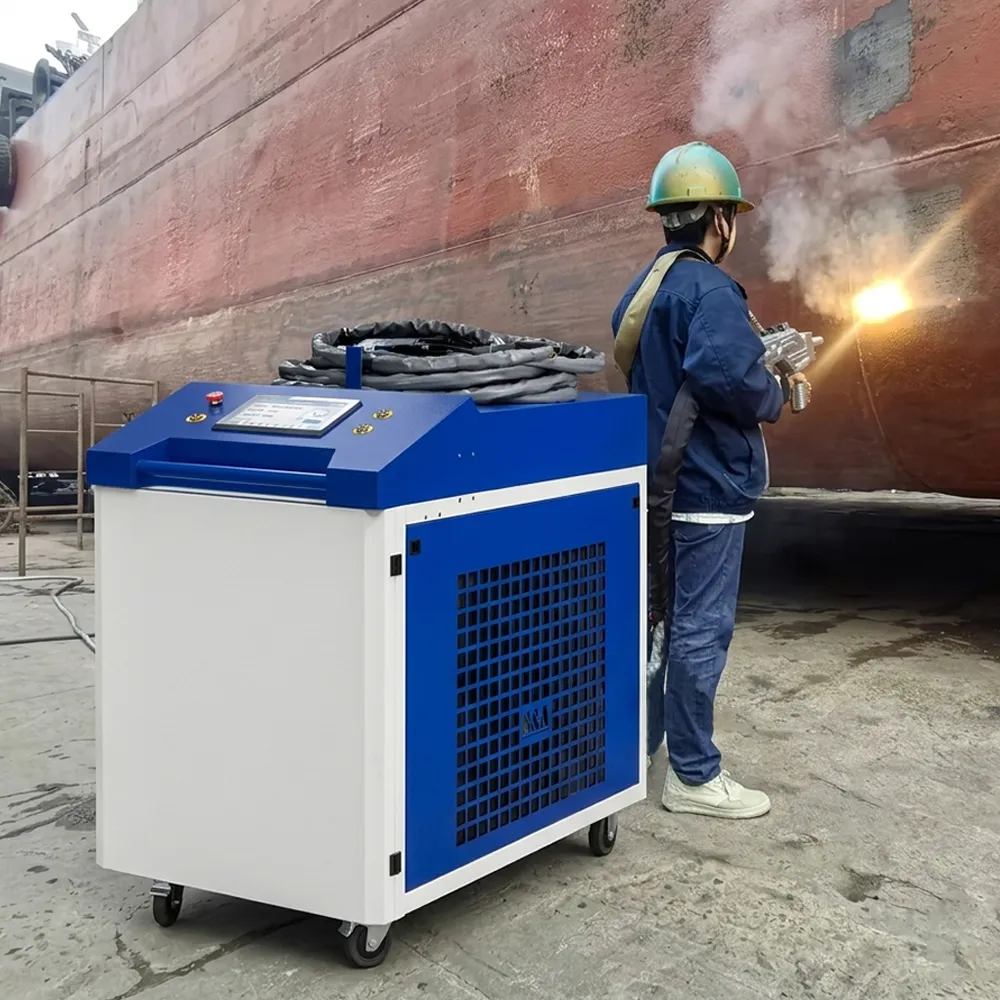
CW laser cleaning is suitable when the surface is strong, the contamination layer is heavy, and the production target requires speed. Many industrial users do not need a delicate surface after cleaning. They need to remove rust, paint, oil, or oxide before welding, repainting, repair, or maintenance. In these cases, a CW laser rust removal machine can help improve workflow when compared with manual grinding or chemical cleaning.
A buyer may choose CW laser cleaning for steel structure maintenance, shipyard repair, railway parts, construction machinery, boiler cleaning, pipeline surface preparation, and large metal frames. These applications often involve strong base materials and large surface areas. The buyer may value cleaning speed, lower consumable use, and easier operation.
CW cleaning is also useful when the factory has repeated cleaning tasks. If operators clean similar parts every day, the supplier can help test parameters and build a more stable process. This reduces the learning time for operators. It also helps the buyer decide whether a handheld laser cleaning machine or another configuration is more suitable.
However, CW laser cleaning is not the best answer for every job. Buyers should be careful with thin materials, precision parts, mirror surfaces, high-value molds, and materials that can deform or discolor under heat. If the surface must remain very clean and stable, pulsed laser cleaning may be safer.
Before choosing CW laser cleaning, buyers should send sample materials or clear application details to the supplier. Useful information includes base material, rust thickness, coating type, cleaning area, desired surface result, working hours, and power supply conditions. Jobon Laser can use this information to recommend a suitable laser cleaning machine configuration and help buyers avoid overbuying or underbuying.
Fine surfaces need careful cleaning, not just strong cleaning. Pulsed laser cleaning is better when surface protection is important.
Buyers should choose pulsed laser cleaning for precision parts, molds, thin metals, light rust, oxide layers, delicate surfaces, and applications that require lower heat impact and better control over the cleaning effect.
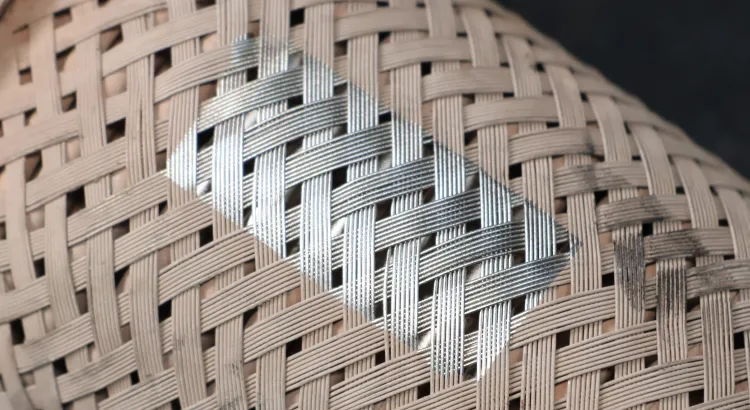
A pulsed laser cleaning machine is often the better choice when the buyer cares about the base surface. For example, a mold factory may need to remove residue without damaging the mold texture. A precision parts manufacturer may need to clean oxide without changing the part surface. A repair workshop may need a portable pulse laser cleaning machine for small and valuable parts.
Pulse laser cleaning gives buyers more control because the laser energy is delivered in short pulses. This helps reduce heat accumulation. It also gives operators more flexibility in adjusting cleaning parameters. This is important for stainless steel, aluminum, thin metal sheets, molds, electronic parts, and surfaces with appearance requirements.
Power selection should match the work. A 200w pulse laser cleaning machine may be suitable for fine cleaning and small-area work. A 300w pulse laser cleaning machine can balance cleaning ability and control for many workshop tasks. A 500w pulse laser cleaning machine may improve efficiency for heavier but still controlled cleaning needs. These are general selection directions, not fixed rules. The real choice depends on the material, contamination layer, required effect, and working time.
Buyers searching for pulse laser cleaning machine price should compare more than wattage. They should check beam quality, laser source, pulse control, cleaning head design, cooling system, software, safety features, service support, and spare parts. A lower price may not always mean a better long-term choice if the machine cannot clean the target material consistently.
Pulsed laser cleaning is also useful for distributors who serve many industries. It can cover mold maintenance, precision cleaning, light rust removal, oxide removal, and some restoration applications. This makes it a flexible product for buyers who need better process control instead of only high cleaning speed.
A good laser cleaner should match the job, not just the keyword. Buyers need to define the application before comparing machines.
Buyers should choose a laser cleaner by checking material, rust or coating thickness, surface sensitivity, required speed, working environment, power level, cooling type, budget, and sample testing results.
The first step is to define the material. Carbon steel, stainless steel, aluminum, copper, coated metal, painted steel, wood, and stone all require different testing. A laser cleaning machine that works well on thick rusted steel may not be suitable for delicate surfaces. Buyers should clearly tell the supplier what material they need to clean.
The second step is to define the contamination. Rust, paint, oil, oxide, coating, welding stains, and mold residue are different problems. Heavy rust may need strong cleaning energy. Light oxide may need more control. Thick paint may require higher power or more cleaning passes. Mold residue may need precision settings.
The third step is to define the required result. Some buyers only need to remove rust before repainting. Some buyers need a clean surface without visible damage. Some buyers need to protect the original texture. These goals lead to different choices between CW and pulsed laser cleaning.
The fourth step is to check the working environment. A handheld laser cleaning machine may be useful for large parts and flexible work. A portable pulse laser cleaning machine may be better for mobile repair or precision work. A high-power industrial laser cleaning machine may be better for repeated factory cleaning. Cooling method, machine size, cable length, and operator movement should all be considered.
The fifth step is budget planning. Laser cleaning machine price is affected by power, laser type, source, cooling system, cleaning head, control system, and service. Buyers should avoid judging only by the lowest quotation. They should compare machine configuration and long-term support.
Jobon Laser recommends sample testing when possible. A sample test can show cleaning effect, speed, heat impact, and surface quality before purchase. This is the safest way for B2B buyers to choose between CW laser cleaning and pulsed laser cleaning.
Many buyers ask for price first, but price without application details is hard to judge. Configuration and process matching matter more.
Laser cleaning machine price depends on laser type, power, pulse or CW technology, laser source, cooling system, cleaning head, control system, accessories, customization, and after-sales support.
Price is important, but it should not be the only selection factor. A buyer may find many prices for laser cleaning machine for sale, laser rust removal machine for sale, and pulsed laser cleaning machine for sale. These prices may look very different because the machines are not the same.
Power is one price factor. A 300w laser cleaning machine and a 3000w laser cleaning machine are built for different cleaning needs. A 300w pulse laser cleaning machine may target precision and surface control. A 3000w laser cleaning machine may target heavy-duty cleaning and speed. Buyers should not compare them only by wattage.
Laser technology is another factor. CW laser cleaning and pulsed laser cleaning have different cost structures. Pulsed laser cleaning can cost more in some configurations because it needs controlled pulse output and stable process performance. CW laser cleaning can be more suitable for large-area heavy cleaning, but it may not replace pulse cleaning for delicate work.
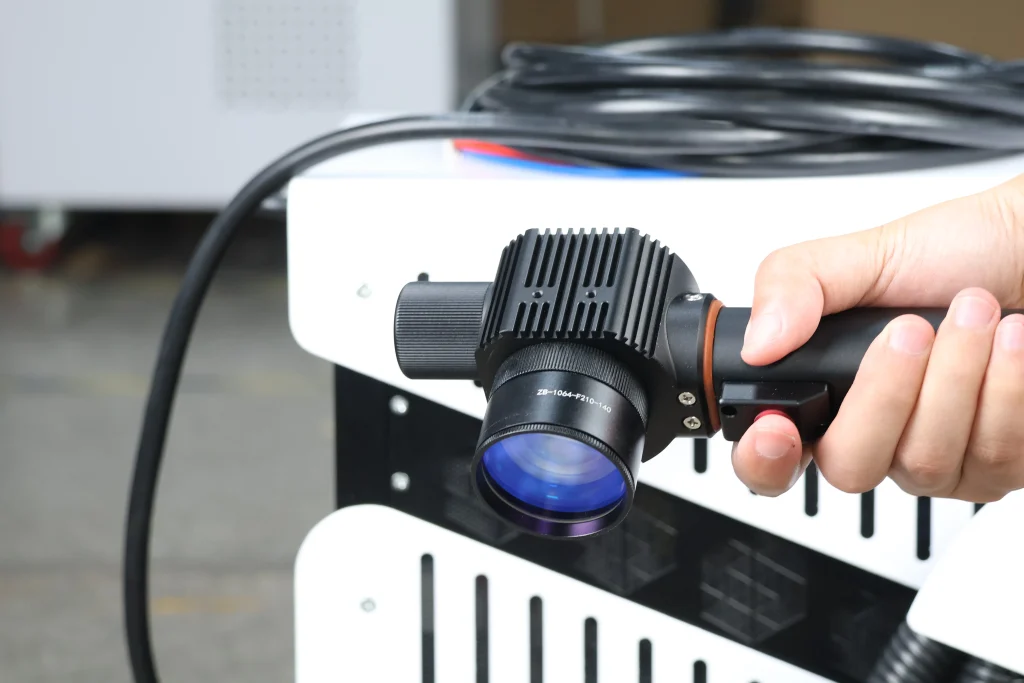
Machine configuration also affects price. The laser source, cooling system, cleaning head, control software, cable design, safety accessories, and optional functions all matter. For example, a handheld laser cleaning machine for factory use may need different accessories than a portable pulse laser cleaning machine for repair service.
Service also has value. Overseas buyers should consider training, parameter guidance, spare parts, technical support, packaging, shipping, and long-term cooperation. A very low machine price may become expensive if the buyer cannot get proper support after delivery.
The best way to discuss price is to provide application details. Buyers should send photos, material information, rust or coating condition, cleaning area, daily work time, and required cleaning effect. Then Jobon Laser can help recommend a suitable machine type and configuration.
Is pulsed laser cleaning better than CW laser cleaning?
Pulsed laser cleaning is better for precision cleaning and lower heat impact. CW laser cleaning is better for fast heavy-duty cleaning on large metal surfaces. The better choice depends on your application.
Is CW laser cleaning suitable for rust removal?
Yes. CW laser cleaning is often used for heavy rust removal on steel parts, metal structures, machinery, and large industrial surfaces. Buyers should test samples when surface quality is important.
What is the difference between a 300W pulse laser cleaning machine and a 3000W laser cleaning machine?
A 300W pulse laser cleaning machine usually focuses on controlled cleaning and lower heat impact. A 3000W laser cleaning machine usually focuses on higher cleaning speed and heavy-duty surface treatment.
Can a pulse laser cleaning machine clean wood?
Pulse laser cleaning may be used for some wood cleaning applications, but wood reacts differently from metal. Buyers should test samples before choosing machine power and parameters.
What affects pulse laser cleaning machine price?
Pulse laser cleaning machine price depends on power, laser source, pulse control, cleaning head, cooling system, control software, accessories, customization, and service support.
Choose CW laser cleaning for speed and heavy rust. Choose pulsed laser cleaning for control, lower heat impact, and sensitive surfaces. Still not sure which laser cleaner fits your application? Send Jobon Laser your sample photos, material type, rust or coating condition, and daily cleaning requirement. Our team can help you compare CW and pulsed laser cleaning machines and recommend a suitable model before purchase.
2026-09
Choosing between a 1500W vs 2000W vs 3000W vs 6000W laser welding machine should start wit…
2026-09
Shielding gas consumption in laser welding can be reduced by optimizing gas flow, checking…
Мы ответим вам в течение 24 часов. Если для срочного случая, пожалуйста, добавьте WhatsApp/WeChat: +86 18053185411,.
*Мы уважаем вашу конфиденциальность и защищаем всю информацию.
Мы будем использовать вашу информацию только для ответа на ваш запрос и никогда не будем отправлять нежелательные электронные письма или рекламные сообщения.