










1500W vs 2000W vs 3000W vs 6000W Laser Welding Machine: Which Power Do You Need?
Choosing between a 1500W vs 2000W vs 3000W vs 6000W laser welding machine should start wit…
 09:57
09:57 La produzione rallenta quando le lastre sono troppo grandi, i bordi devono essere rilavorati e una macchina non può coprire lavori diversi. Questi ritardi aumentano i costi di manodopera, sprecano materiale e rendono più difficile la consegna. Una macchina per il taglio laser di grande formato risolve questo problema combinando velocità, precisione di taglio e una maggiore flessibilità di lavorazione in un'unica piattaforma.
Una macchina per il taglio laser di grande formato è una taglierina laser industriale costruita per fogli di dimensioni maggiori, una maggiore produttività e una geometria dei pezzi più complessa. Per i produttori B2B, il sistema giusto migliora la produttività, riduce le lavorazioni secondarie, supporta una qualità di taglio stabile e offre più spazio per lavori personalizzati, produzione di lotti e aggiornamenti futuri della linea.
A macchina per il taglio laser di grande formato è una macchina per il taglio laser di livello produttivo progettata per lastre di dimensioni maggiori, un'area di lavoro più ampia e una produzione più elevata rispetto ai sistemi per piccole officine. In parole povere, offre al fabbricante più spazio per lavorare pezzi più grandi, più pezzi per nido e più libertà di progettazione senza suddividere il lavoro in sezioni più piccole. Jobon Laser presenta il suo modello di grande formato come una macchina per la grafica delle lastre, l'alta velocità, l'alta precisione, la formatura una tantum e la riduzione della necessità di lavori successivi. Inoltre, il sistema è in grado di servire sia le lastre piane che le esigenze legate ai tubi.
Questo è importante perché molti acquirenti non si limitano a confrontare le macchine da taglio. Stanno confrontando il flusso di lavoro. Una macchina con un'area di lavorazione più ampia può ridurre il riposizionamento, supportare forme complesse e aiutare i team a passare più rapidamente dai disegni ai pezzi finiti. In termini pratici di fabbrica, ciò significa meno attese, meno manipolazioni e un migliore utilizzo della manodopera. Un buon sistema laser non si limita a tagliare il metallo. Aiuta l'intera linea a funzionare meglio.
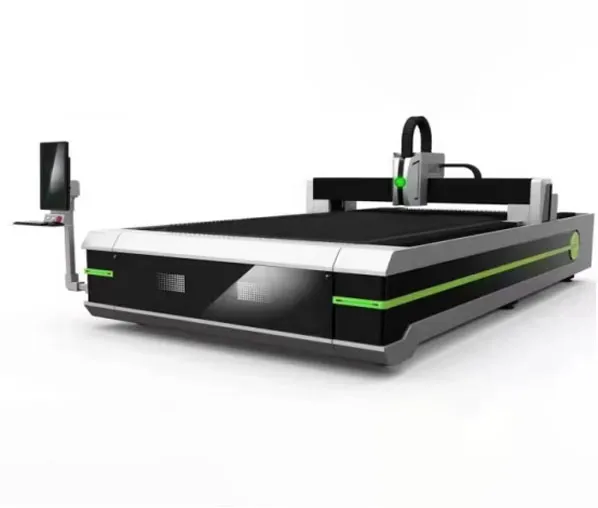
Il primo vantaggio è la scala. Un letto più grande supporta pezzi di grandi dimensioni, un migliore nesting e meno interruzioni tra un lavoro e l'altro. Ciò contribuisce a massimizzare l'uso della lamiera e a ridurre gli sprechi di materiale. Quando un acquirente passa da una piattaforma piccola a una macchina industriale di grande formato, la discussione di solito cambia da “Può tagliare questo pezzo?” a “Quanti pezzi possiamo finire in questo turno?”. È qui che iniziano i veri guadagni di produttività.
Il secondo vantaggio è la semplificazione del processo. Il prodotto Jobon sottolinea l'alta velocità, l'alta precisione e la “formatura unica, nessuna lavorazione successiva”. Questo linguaggio è importante perché ogni fase secondaria eliminata fa risparmiare tempo, manipolazione e rischio di errore. Risultati di taglio migliori possono significare meno problemi di bava, meno rettifica manuale e un trasferimento più rapido a piegatura, saldatura, rivestimento o assemblaggio. Per gli acquirenti B2B non si tratta solo di convenienza. Si tratta di protezione dei margini.
Questa è una delle domande più ricercate per un motivo. I sistemi laser a fibra e i sistemi laser a CO2 non servono esattamente allo stesso scopo. TRUMPF fa notare che il taglio laser è un processo senza contatto e che vengono utilizzati diversi tipi di laser a seconda dell'applicazione; Trotec spiega che i laser CO2 operano a 10,6 µm e sono particolarmente efficaci per il taglio e l'incisione di materiali non metallici come acrilico, legno, carta e tessuti. TRUMPF osserva inoltre che i sistemi a stato solido possono garantire la massima velocità di taglio per le lastre sottili, mentre i laser a CO₂ possono eccellere nella qualità del taglio per alcune applicazioni di medio spessore.
Per un acquirente focalizzato sulla lamiera industriale, un confronto tra macchine per il taglio laser in fibra è di solito più rilevante di un confronto tra tagliatori laser co2 da tavolo. Ma l'intento di ricerca è disordinato. Molte persone digitano termini come xtool, Epilog, rf, rf co2, laser a diodi da 20w o laser co2 in formato ampio durante la ricerca. Questi strumenti possono avere senso per la segnaletica, i campioni, l'incisione laser o per lavori sottili non metallici. Non sono della stessa classe di una piattaforma di taglio dei metalli di grande formato costruita per una produzione industriale continua. Se il vostro obiettivo è l'acciaio inossidabile, l'acciaio al carbonio, l'alluminio e la lavorazione di lastre su scala industriale, la conversazione deve concentrarsi sulla velocità di taglio industriale, sulla stabilità, sulla strategia di assistenza del gas e sui tempi di attività a lungo termine.
Per molti utenti B2B, la risposta giusta non è “fibra vs CO2” in astratto. È “Quale processo si adatta ai miei materiali reali, alle dimensioni dei pezzi, all'obiettivo di produttività e al mix di clienti?”. Ecco perché gli acquirenti intelligenti chiedono raccomandazioni basate sull'applicazione piuttosto che generici discorsi di vendita.
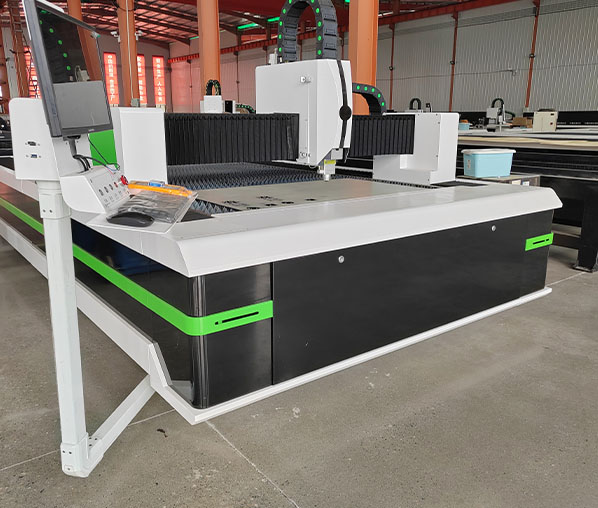
Una taglierina laser industriale di grande formato serve principalmente a tagliare pezzi di produzione, non lavori decorativi per hobby. Jobon descrive il suo sistema in base al taglio di lamiere, all'alta precisione e al supporto per lamiere piane e tubi sagomati. Questo lo rende importante per le officine di lamiera, i produttori di ferramenta, i produttori di armadi, i fornitori di componenti auto e gli appaltatori che hanno bisogno di pezzi industriali ripetibili.
Allo stesso tempo, gli acquirenti spesso introducono termini di ricerca misti nel processo di acquisto. Possono chiedere se una macchina è in grado di incidere, tagliare e incidere, trattare l'acrilico o lavorare materiali morbidi per lavori secondari. È qui che la guida del fornitore è importante. Una macchina per grandi formati focalizzata sul metallo è diversa da una macchina per il taglio laser co2 destinata alla cartellonistica, ai tessuti, agli espositori o ai tagliatori e incisori laser. È vero che i ricercatori possono raggruppare il taglio laser e l'incisione, ma gli acquirenti industriali dovrebbero separare in anticipo gli usi decorativi da quelli per la produzione di metallo. In questo modo si evitano costose discrepanze nella potenza del laser, nelle ottiche e nell'ambito di applicazione.
L'acquirente non dovrebbe mai giudicare una macchina solo in base al wattaggio della testata. Le prestazioni effettive della macchina dipendono dall'equilibrio tra gantry, stabilità dell'azionamento, controllo del movimento, testa di taglio, erogazione del gas, sistema di controllo e dimensioni del tavolo utilizzabile. La testa laser e la piattaforma di movimento devono rimanere stabili alla velocità, altrimenti la qualità di taglio promessa scompare a causa di vibrazioni, scarso controllo della perforazione o bordi inconsistenti. In parole povere, la potenza di uscita è importante, ma il sistema di erogazione lo è altrettanto.
È qui che la finestra di processo del laser diventa un problema commerciale. Una combinazione sbagliata di potenza di taglio, impostazione degli ugelli, impostazioni del gas e velocità di avanzamento può allargare il taglio, compromettere la qualità dei bordi o ridurre la velocità sui materiali più spessi. La giusta combinazione aiuta la macchina a rimanere pulita e precisa. Nella produzione reale, la testa laser completa il percorso programmato, ma la qualità finale del pezzo dipende da molto più del solo raggio: la precisione del movimento, la pulizia dell'ottica, la planarità del materiale e la calibrazione sono tutti fattori importanti. Ecco perché il miglioramento dell'accuratezza è sempre un compito del sistema, non di un singolo componente.
Jobon ha un punto di forza: la macchina viene presentata come adatta non solo alle lamiere piane, ma anche ai tubi tondi e ai tubi di forma speciale. Per gli acquirenti, questo è interessante perché suggerisce che una macchina versatile può coprire più di uno scenario di vendita. Un'officina che produce armadi questo mese e cornici il mese successivo non vuole acquistare piattaforme separate troppo presto se una configurazione può gestire una gamma di attività più ampia.
Questo aspetto è particolarmente importante per la produzione per conto terzi. Un'officina a contratto può tagliare oggi pezzi grezzi piatti, per poi passare domani al taglio laser di smussi, staffe, telai o pezzi profilati. Un sistema in grado di tagliare geometrie più varie offre ai manager una maggiore libertà di quotazione. Inoltre, aiuta i distributori e gli importatori a servire più segmenti di mercato con un'unica famiglia di prodotti. Questa flessibilità è uno dei motivi per cui molti acquirenti cercano non solo macchine per il taglio laser, ma anche termini più ampi come macchine laser, tecnologia laser e soluzioni per la lavorazione dei metalli che possono crescere con il cliente.
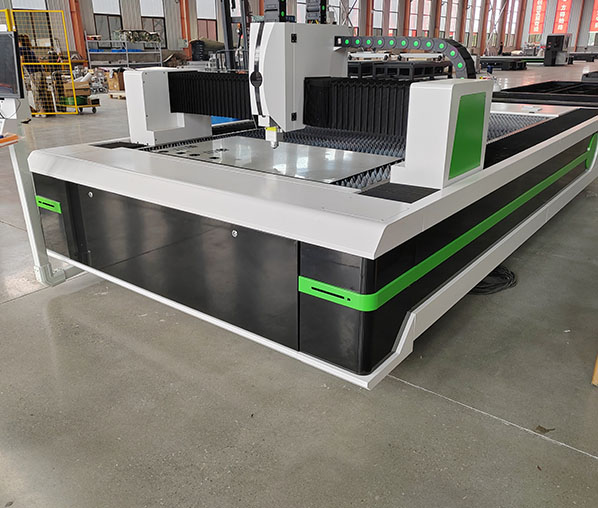
Un acquirente serio deve valutare i pezzi finiti, non gli aggettivi delle brochure. Chiedete le condizioni dei bordi, il comportamento degli spigoli, la zona interessata dal calore, la stabilità di perforazione, le prestazioni dei piccoli fori e la ripetibilità sul vostro materiale. Osservate il comportamento della macchina dopo lunghi cicli di lavoro, non solo durante una dimostrazione pulita. I migliori risultati di taglio sono costanti, non fortunati. Questa è la differenza tra una macchina da esposizione e un laser affidabile per il lavoro in fabbrica.
Poi guardate alla manutenibilità. Una buona manutenzione quotidiana dovrebbe essere chiara e gestibile. Chiedete con quale frequenza vengono controllati gli ugelli, le lenti e le parti di consumo, con quale velocità vengono spediti i pezzi di ricambio e quanto è disponibile l'assistenza a distanza. Jobon afferma che i principali pezzi di ricambio per le sue macchine laser in fibra sono disponibili a magazzino e possono essere imballati entro 7 giorni lavorativi per la consegna in tutto il mondo. Questo è importante perché la velocità di manutenzione spesso decide se un problema di produzione diventa una piccola pausa o un grosso problema di consegna.
Perché il vero rischio di acquisto risiede nei dettagli. Il tipo di materiale, lo spessore del materiale, le condizioni della superficie, la qualità del taglio richiesta e la tolleranza del cliente influenzano la finestra di processo. Le pagine di servizio di Jobon enfatizzano i test a campione gratuiti
, consulenza sui processi, selezione delle apparecchiature e proposte di soluzioni personalizzate. Questo è esattamente il tipo di supporto che gli acquirenti industriali chiedono quando hanno bisogno di prove, non di promesse.
Noi di Jobon Laser capiamo perché questo è importante. I distributori esteri, gli integratori di sistemi e i proprietari di stabilimenti non acquistano solo sulla base di parole chiave. Vogliono vedere la macchina tagliare il loro materiale reale, confrontare la precisione di taglio con i metodi attuali e confermare che il progetto consente il giusto equilibrio tra velocità, qualità dei bordi e stabilità. Ecco perché l'ingegneria pre-vendita non è un extra di poco conto. Fa parte del valore della macchina.
Per i clienti con esigenze particolari, Jobon afferma che il suo team di ingegneri può personalizzare le configurazioni, dalle dimensioni dei tavoli ai moduli di automazione. Si tratta di un'ottima soluzione per gli acquirenti B2B che necessitano di supporto OEM/ODM, di un adeguamento della tensione locale, di layout specifici per il flusso di lavoro o di aggiornamenti graduali. Se il vostro progetto richiede una pianificazione tecnica più approfondita, potete esplorare il supporto pre-vendita e il servizio post-vendita delle apparecchiature.
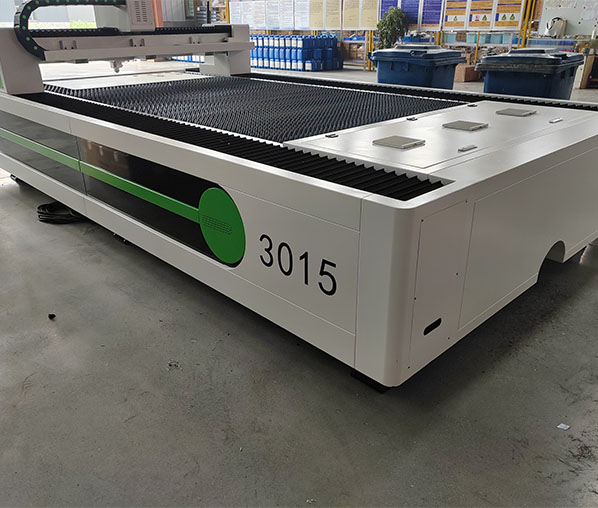
Jobon si posiziona come un'azienda high-tech che integra R&S, produzione e vendite globali, con oltre 14 anni di esperienza nel settore e linee di prodotti che comprendono saldatura, pulizia, marcatura e taglio. Sul suo sito si legge che le macchine sono esportate in oltre 100 Paesi e si evidenziano certificazioni quali CE, FDA, TUV e CTI, oltre a capacità OEM/ODM e produzione interna. Per gli acquirenti B2B, questo mix è importante perché supporta l'approvvigionamento unico e riduce il rischio di coordinamento del progetto.
Anche l'attuale pagina dei prodotti di grande formato dell'azienda rafforza i segnali utili per l'acquisto: compatibilità con il voltaggio globale, produzione interna, opzioni di consegna rapida, supporto post-vendita multilingue e assistenza per i clienti in oltre 60 paesi. Anche se la pagina in sé non contiene specifiche dettagliate, il sito Jobon più ampio mostra chiaramente un'attività basata su soluzioni laser industriali piuttosto che su un singolo prodotto. Questo è importante quando si vuole un fornitore in grado di supportare il taglio oggi e i processi collegati domani. Iniziare con il macchina per il taglio laser di grande formato prima di decidere, esaminate il centro prodotti delle macchine di taglio laser e le pagine di assistenza.
No. È per tutte le aziende le cui dimensioni dei pezzi, le esigenze di nesting o gli obiettivi di produzione hanno superato le piattaforme di piccole dimensioni. Le officine di lamiere di medie dimensioni, i fornitori OEM e i distributori regionali possono trarre vantaggio dal fatto che lamiere più grandi e una maggiore velocità di produzione migliorano le quotazioni e le consegne.
Non sempre. Per il taglio industriale dei metalli, i sistemi in fibra sono spesso l'obiettivo principale. Ma le piattaforme laser a CO2 hanno ancora un grande valore in molte applicazioni non metalliche, soprattutto quando l'acrilico, il legno, la carta o l'incisione e il taglio laser sono fondamentali. La scelta giusta dipende dai materiali, dall'obiettivo di produzione e dal modello aziendale.
Verificate i materiali reali, la gamma di spessori comuni, i contorni più difficili, le dimensioni dei fori, i requisiti dei bordi e la velocità necessaria per ogni turno. Chiedete anche informazioni sui tempi di allestimento, sul consumo di gas, sui pezzi di ricambio e sulla formazione dell'operatore.
Sì, questo è uno dei punti di forza pratici di Jobon Laser. Il sito mostra le linee di prodotti attivi per il taglio, la saldatura, la pulitura e la marcatura, il che è utile per gli acquirenti che vogliono costruire una linea di lavorazione più ampia invece di acquistare macchina per macchina.
Perché riduce l'incertezza. Un test a campione mostra se la macchina corrisponde al vostro materiale, alle vostre esigenze di finitura e al vostro obiettivo commerciale prima di impegnare denaro e tempo di spedizione. Inoltre, rivela la reattività del fornitore.
Dovete aspettarvi formazione, guida alla risoluzione dei problemi, chiarezza sulla garanzia e accesso rapido ai pezzi di ricambio. Le pagine di Jobon dedicate al post-vendita sottolineano i materiali di formazione, la copertura della garanzia e le parti di ricambio disponibili a magazzino per una rapida spedizione.
2026-09
Choosing between a 1500W vs 2000W vs 3000W vs 6000W laser welding machine should start wit…
2026-09
Shielding gas consumption in laser welding can be reduced by optimizing gas flow, checking…
Risponderemo entro 24 ore. Per casi urgenti, aggiungi WhatsApp/WeChat: +86 18053185411.
*Rispettiamo la tua riservatezza e tutte le informazioni sono protette.
Utilizzeremo le tue informazioni solo per rispondere alla tua richiesta e non invieremo mai email non richieste o messaggi promozionali.