







Máquina de limpieza láser CW - Modelo A
La máquina de limpieza láser adopta la limpieza sin contacto, que ahorra energía y es respetuosa con el medio ambiente, y no tiene contaminación secundaria.
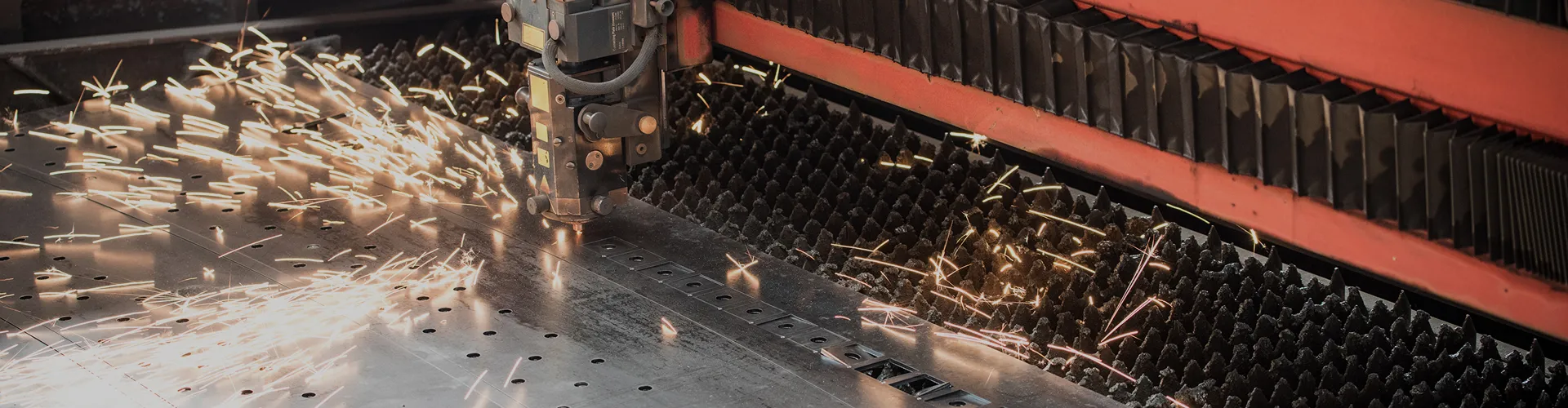
Conozca los más de 14 años de experiencia de Jobon Laser, su fábrica interna, su alcance mundial y su compromiso con la innovación en maquinaria láser.
An oxide layer is a thin film formed on the surface of a metal when it reacts with oxygen in the environment. This reaction can occur naturally or through controlled treatment processes. The oxide layer serves as a chemical boundary between the metal and the surrounding atmosphere.
The oxide layer typically has a dense or partially porous structure, depending on the metal and reaction conditions. A dense oxide layer tightly adheres to the metal surface and prevents further penetration of oxygen and moisture, thereby slowing or stopping corrosion. In contrast, porous oxide layers allow continuous diffusion of oxygen and water, enabling corrosion to progress deeper into the metal.
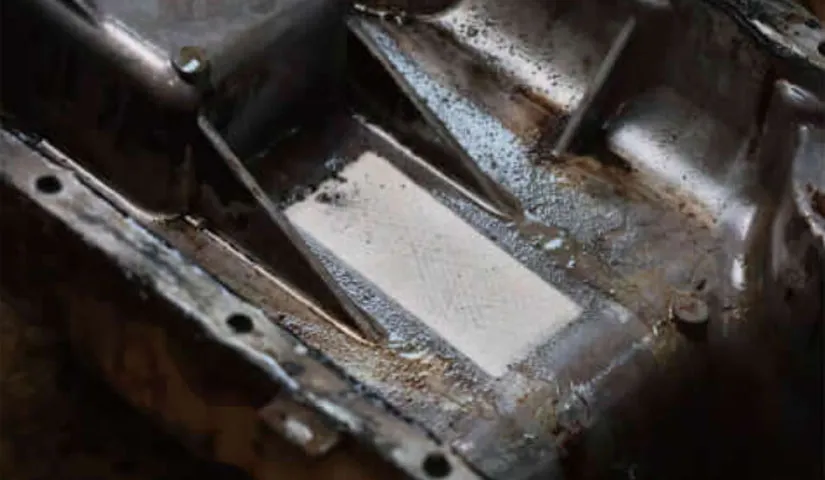

Our Laser Cleaning Machines offer an efficient, non-contact, and environmentally friendly solution for removing rust, oxide layers, paint, coatings, grease, and surface residues from metals and industrial equipment. Designed for precision and flexibility, these machines are ideal for applications across automotive, aerospace, electronics, petrochemical, and manufacturing industries.
Featuring fiber laser sources from 100W to 2000W, our models deliver high-speed cleaning, stable beam quality, and low maintenance. From handheld portable units to integrated robotic cleaning systems, we support custom designs tailored to your specific cleaning tasks—whether it’s fine weld cleaning, large-area paint removal, or surface preparation before coating
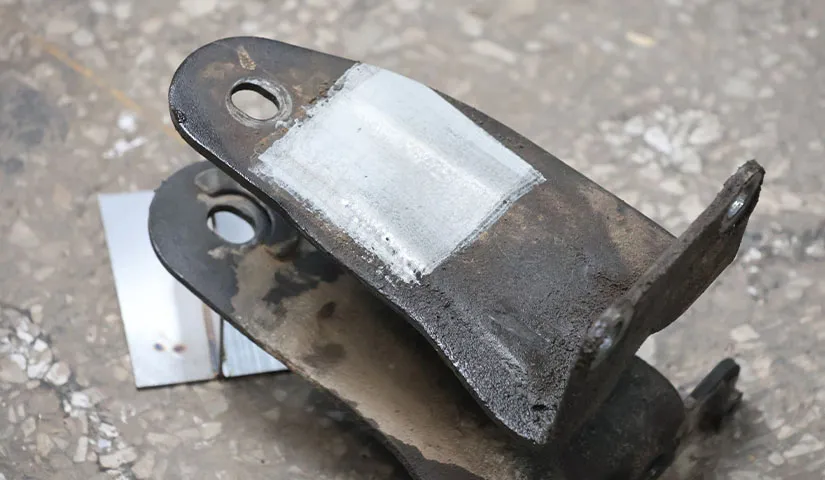
Pulsed laser cleaning uses high-energy laser pulses to irradiate the metal surface, instantly vaporizing or ablating the oxide layer without damaging the underlying substrate. Unlike traditional mechanical or chemical cleaning methods, laser cleaning is non-contact, requires no consumables, and produces no secondary pollution.
The system delivers precise and selective cleaning even in small areas or complex surfaces. Thanks to its low thermal impact, it preserves the physical properties of the base material, making it ideal for pre-welding, plating, or bonding processes where oxide layers must be thoroughly removed to ensure strong adhesion and optimal conductivity.
Rust removal is critical in metal maintenance, repair, and surface treatment. While traditional rust removal methods remain widely used, laser cleaning technology is quickly emerging as a safer, more efficient, and eco-friendly alternative. Below is a comparison of laser rust removal and conventional methods, categorized by their working principles.
| Característica | Laser Rust Removal | Traditional Methods |
|---|---|---|
| Contact Type | Non-contact, no tool wear | Physical or chemical contact |
| Base Material Damage | Minimal, especially with pulsed lasers | High risk of surface damage or pitting |
| Precisión | High (suitable for delicate parts) | Low (broad impact area) |
| Impacto medioambiental | No chemicals or waste | Generates hazardous waste or dust |
| Operation Cost | Higher initial investment, low maintenance | Low initial cost, high recurring costs |
| Automation Integration | Easy to integrate into CNC/robot systems | Difficult to automate |
| Noise & Safety | Low noise, safer working environment | Loud, requires protective measures |
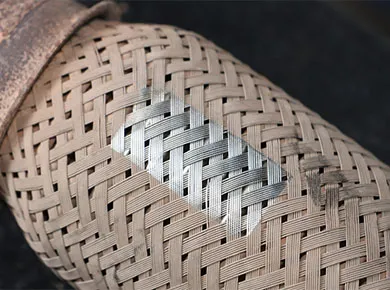
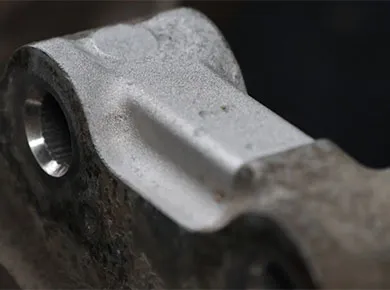
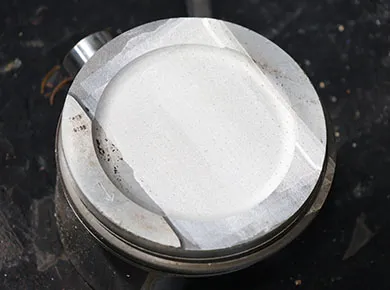
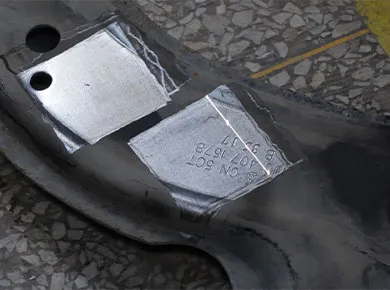
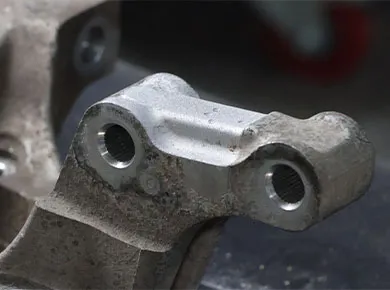
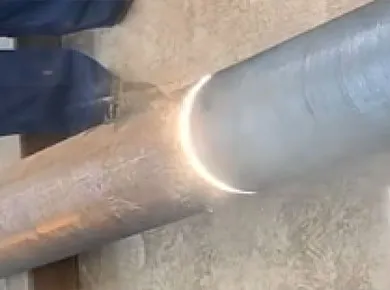
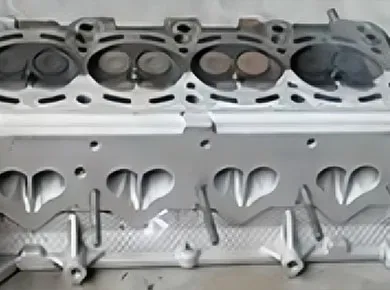
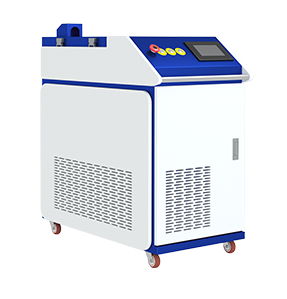
La máquina de limpieza láser adopta la limpieza sin contacto, que ahorra energía y es respetuosa con el medio ambiente, y no tiene contaminación secundaria.
Es adecuado para barcos, calderas, superficies de acero, tratamiento de superficies de productos antes de la soldadura, tratamiento de la capa de óxido en y alrededor de la soldadura después de la soldadura, revestimiento, eliminación de óxido en el metal, eliminación rápida de pintura, etc.
Es adecuado para barcos, calderas, superficies de acero, tratamiento de superficies de productos antes de soldar, tratamiento de la capa de óxido en y alrededor del cordón de soldadura después de soldar, revestimiento, eliminación de óxido en metal, eliminación rápida de pintura, etc.
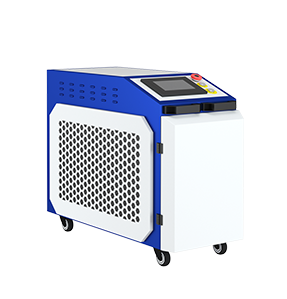
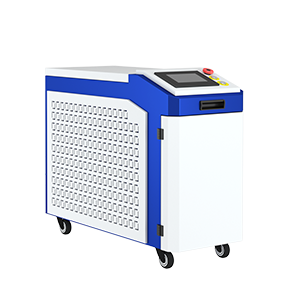
Es una máquina de limpieza láser continua con una potencia de 1000w ,1500w, 2000w, 3000w, 6000W. Se utiliza principalmente para la eliminación de óxido, eliminación de pintura, eliminación de pegamento, eliminación de revestimiento, y la eliminación de chapado con alta eficiencia. Se utiliza principalmente para la eliminación de óxido, eliminación de pintura y eliminación de pegamento. Es adecuado para la limpieza de la capa de óxido y capa gruesa de pintura, así como desbaste de la superficie, la limpieza de la costura de soldadura y otros enlaces de proceso, con una eficiencia extremadamente alta.
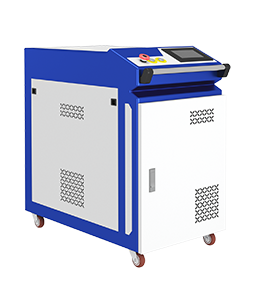
Es una máquina de limpieza láser continua con una potencia de 1000w ,1500w, 2000w, 3000w, 6000W. Se utiliza principalmente para la eliminación de óxido, eliminación de pintura, eliminación de pegamento, eliminación de revestimiento, y la eliminación de chapado con alta eficiencia. Se utiliza principalmente para la eliminación de óxido, eliminación de pintura y eliminación de pegamento. Es adecuado para la limpieza de la capa de óxido y capa gruesa de pintura, así como desbaste de la superficie, la limpieza de la costura de soldadura y otros enlaces de proceso, con una eficiencia extremadamente alta.
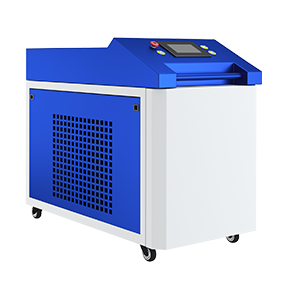
Es adecuado para barcos, calderas, superficies de acero, tratamiento de superficies de productos antes de soldar, tratamiento de la capa de óxido en y alrededor del cordón de soldadura después de soldar, revestimiento, eliminación de óxido en metal, eliminación rápida de pintura, etc.
¿Demostración en directo de nuestras máquinas? ¿O un presupuesto personalizado?
No dude en ponerse en contacto con nuestros expertos.
Le ayudaremos a elegir la máquina adecuada y a compartir con usted la solución; puede compartir con nosotros la siguiente información
1. qué material va a soldar
2. El espesor del material de soldadura
3. ¿Se trata de soldadura de unión o de soldadura por recubrimiento?
4. ¿Cuál es el uso exacto de la máquina, para la soldadura o reparación de productos u otras aplicaciones?
Le enviaremos el vídeo de funcionamiento y el manual de la máquina. Nuestro ingeniero hará el entrenamiento en línea si es necesario. podemos enviar a nuestro ingeniero a su sitio para el entrenamiento o usted puede enviar al operador a nuestra fábrica para el entrenamiento.
Ofrecemos dos años de garantía de la máquina. Durante los dos años de garantía, en caso de cualquier problema para la máquina, vamos a proporcionar las piezas de forma gratuita (excepto por daños artificiales). Después de la garantía, seguimos ofreciendo servicio de por vida. Así que cualquier duda, háganoslo saber, le daremos soluciones.
Aceptamos condiciones de pago como: T/T, VISA, Western Union Pago bancario en línea.
El transporte marítimo es la forma normal. Si hay requisitos especiales, los dos lados necesitan confirmar el final.
Le responderemos en un plazo de 24 horas. Si para el caso urgente, por favor agregue WhatsApp/WeChat: +86 18053185411,.
*Respetamos su confidencialidad y toda la información está protegida.
Sólo utilizaremos sus datos para responder a su consulta y nunca le enviaremos correos electrónicos o mensajes promocionales no solicitados.